Tag: Hair-Follicle-Restoration

  • Feed Your Scalp: How Nutrition Fuels Healthy Hair Growth

    When it comes to beautiful, strong, and healthy hair, most of us think about shampoos, conditioners, and treatments. But the truth is, great hair starts at the scalp—and your scalp’s health depends not only on what you apply topically but also on what you feed your body. Just like glowing skin benefits from a nutrient-rich diet, your hair thrives when your scalp is nourished from within.

    This is the philosophy behind Vivafollica’s “Feed Your Scalp” approach: combining effective scalp oiling rituals with scalp-loving foods that provide the building blocks your follicles need to flourish.

    Why Feeding Your Scalp Matters

    Your scalp is living tissue, full of hair follicles—the tiny structures that produce each strand of hair. Each follicle is like a mini-organ, supplied with blood vessels that deliver oxygen, vitamins, and nutrients. Without the right nourishment, follicles can weaken, leading to dull, brittle hair, thinning, or even shedding.

    By “feeding your scalp” with both topical oils and internal nutrients, you create the conditions for:

    • Healthier follicles that produce stronger, thicker hair.
    • Balanced scalp function, reducing dryness, oiliness, or flakiness.
    • Improved circulation, helping oxygen and nutrients reach the roots.
    • Sustained growth cycles, ensuring hair stays in its active growth phase longer.

    In short, what you eat—and how you care for your scalp—shows up on your head.

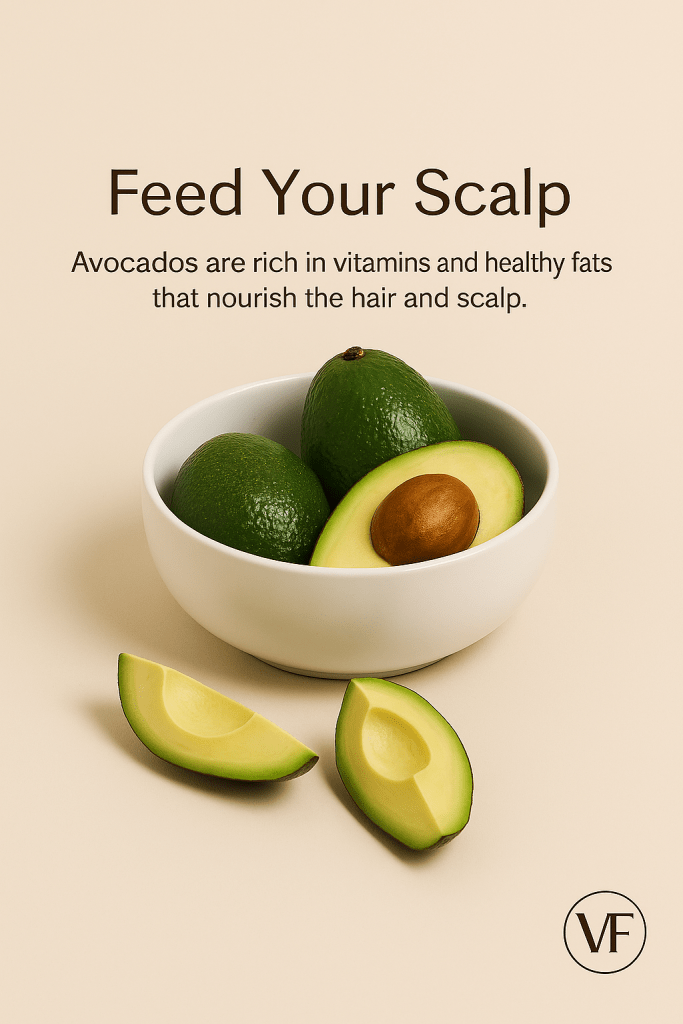
    Avocados: The Scalp Superfood

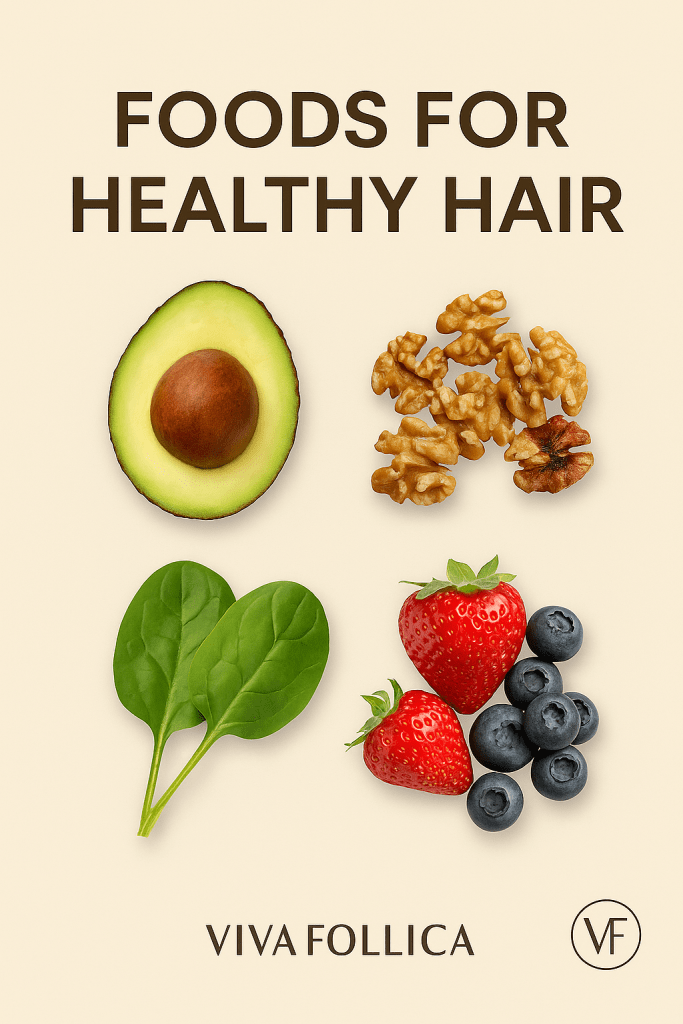
    Among all the foods that support hair and scalp health, avocados stand out as a true superstar. Chic, nutrient-packed, and versatile, they deliver exactly what your scalp needs.

    1. Rich in Healthy Fats

    Avocados are loaded with monounsaturated fats, particularly oleic acid. These fats help keep cell membranes flexible and hydrated, supporting scalp barrier health. Just as you moisturize skin from the outside, healthy fats in your diet moisturize from the inside—reducing dryness, itchiness, and flakiness on the scalp.

    2. Full of Hair-Loving Vitamins

    Avocados are a great source of:

    • Vitamin E – a powerful antioxidant that protects follicles from oxidative stress and improves scalp circulation.
    • Vitamin C – crucial for collagen production, which strengthens hair structure.
    • Vitamin B-complex – especially biotin and folate, known for promoting hair growth and reducing breakage.

    3. High in Minerals

    Potassium and magnesium in avocados help maintain electrolyte balance and blood flow to the scalp. Improved circulation means nutrients are delivered more efficiently to the follicles.

    4. Easy to Incorporate

    Whether you mash avocado on toast, add slices to a salad, or blend it into a smoothie, it’s one of the easiest ways to boost your scalp nutrition daily.

    Other Scalp-Friendly Foods to Include

    While avocados are amazing, variety matters. Here are a few more foods that work wonders for scalp and hair health:

    • Walnuts – Provide omega-3 fatty acids, protein, and vitamin E to strengthen follicles.
    • Leafy greens (spinach, kale, arugula) – Packed with iron and vitamin A, supporting healthy sebum production.
    • Berries (blueberries, strawberries) – Loaded with antioxidants and vitamin C to protect follicles and aid collagen synthesis.
    • Eggs – A rich source of protein and biotin, essential for keratin production.
    • Sweet potatoes – Contain beta-carotene, which the body converts to vitamin A to regulate scalp oils.

    Pairing Nutrition with Scalp Oiling

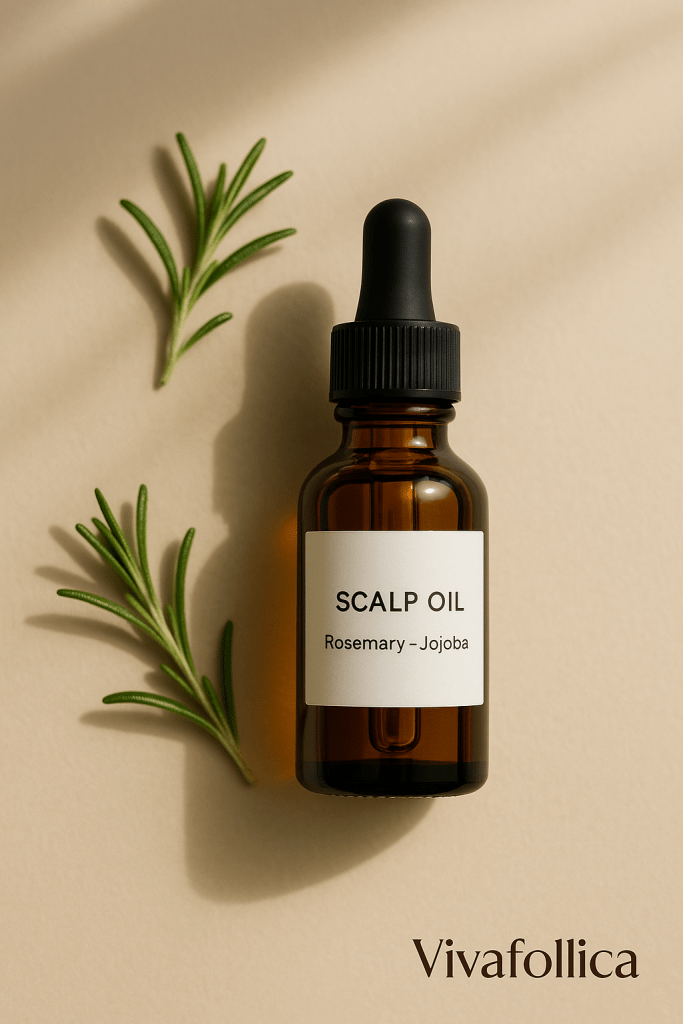
    Food feeds your scalp from within, but topical treatments nourish it directly. That’s where Vivafollica’s scalp oiling ritual comes in. A few drops of rosemary-infused, nutrient-rich oil massaged into the scalp not only improves circulation but also delivers hydration and bioactive compounds directly to the follicles.

    Think of it as a two-way approach:

    • Internal nutrition (foods like avocado) supports follicle health from the inside.
    • External nourishment (Vivafollica oils) supports follicle health from the outside.

    Together, they create the ultimate environment for stronger, fuller, and shinier hair.

    How to Start a “Feed Your Scalp” Routine

    1. Add scalp-friendly foods to your plate. Start simple: half an avocado with breakfast, a handful of walnuts for a snack, or a spinach salad at lunch.
    2. Stay hydrated. Water helps transport nutrients to your scalp and keeps skin tissues hydrated.
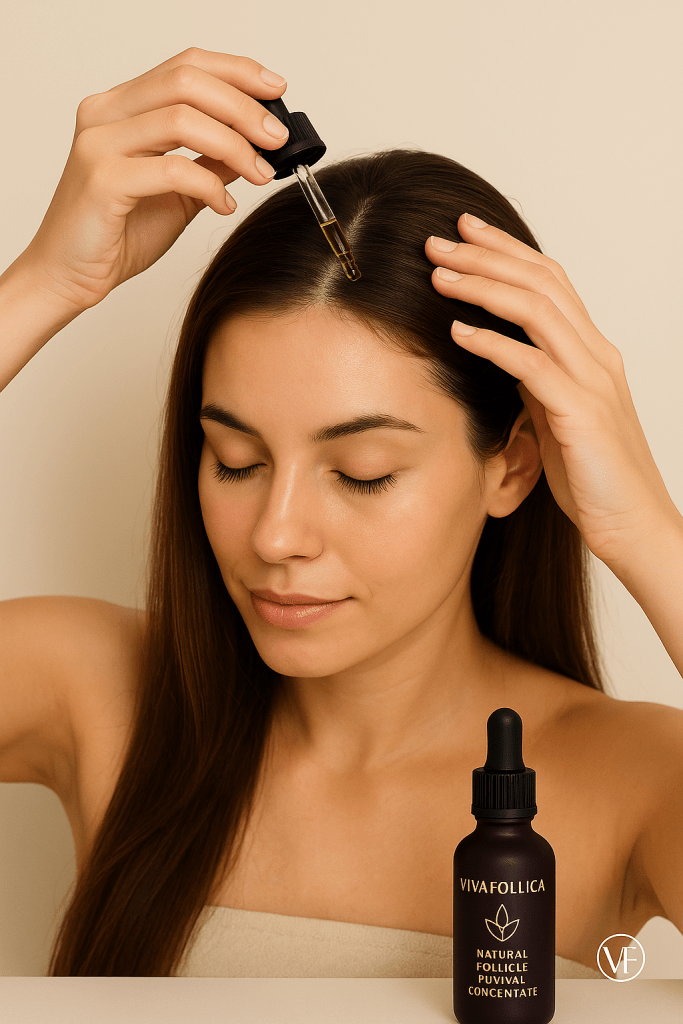
    3. Practice weekly scalp oiling. Apply a few drops of Vivafollica oil directly to the scalp, massage for 5–10 minutes, and leave it on for at least 30 minutes before washing.
    4. Be consistent. Just like skin care, results show up over time with regular habits.
    5. Pair with gentle products. Use clean, sulfate-free shampoos and conditioners to avoid stripping away the natural balance you’re creating.

    Chic Self-Care Meets Science

    Feeding your scalp is more than a trend—it’s a fusion of timeless wisdom and modern science. Ancient practices like scalp oiling, now backed by research on ingredients like rosemary and niacinamide, work hand-in-hand with nutrient-rich foods to provide holistic care.

    At Vivafollica, we believe your scalp is skin—and deserves the same thoughtful attention you give to your face. By combining self-care rituals with intentional nutrition, you elevate hair care into a chic, wellness-driven lifestyle.

    Healthy hair starts with a nourished scalp. Foods like avocado provide the vitamins, minerals, and healthy fats your follicles need, while scalp oiling delivers hydration and stimulation externally. Together, they form the foundation for stronger, shinier, and more resilient hair.

    Next time you enjoy an avocado toast, think of it as more than just a meal—it’s scalp food. Pair it with a Vivafollica scalp massage, and you’re giving your hair the luxury care it deserves.

  • Why Scalp Oiling Doesn’t Clog Pores or Make Hair Oily—And How to Treat Your Ends, Too

    If you’ve ever hesitated to oil your scalp because you fear greasy hair or clogged pores, you’re not alone. It sounds counterintuitive: adding oil to a scalp that naturally produces sebum. But when done correctly, scalp oiling is one of the most effective rituals for stronger, healthier hair—and it does not lead to clogged pores or an oily mess.

    Here’s why.

    1. Understanding the Scalp’s Natural Balance

    Your scalp is skin. Like the skin on your face, it has sebaceous (oil) glands that secrete sebum—the natural oil that keeps hair soft and your scalp protected. Problems like itchiness, flakiness, or even excessive oiliness often stem from an imbalance: either too little sebum (leading to dryness) or overproduction triggered by irritation and product buildup.

    When applied properly, natural plant oils such as rosemary, jojoba, or argan actually help to balance this system. Instead of adding “more grease,” they:

    • Mimic the structure of natural sebum (especially jojoba oil) so the scalp recognizes it as familiar and stops overproducing oil.
    • Dissolve hardened sebum plugs and styling residue that can otherwise block follicles.
    • Reinforce the skin barrier, preventing dehydration and the irritation that can trigger excess oil production.

    The result? A healthier scalp that self-regulates, rather than one forced into overdrive.

    2. Why Scalp Oils Don’t Clog Pores

    Clogged pores—or folliculitis—occur when heavy, non-breathable ingredients sit on the scalp for long periods, trapping dead skin cells and bacteria. The key difference lies in which oils you use and how you apply them.

    • Choose non-comedogenic, lightweight oils. Jojoba, rosemary-infused carrier oils, argan, or grapeseed have molecular weights and fatty-acid profiles that sink into the skin instead of forming a waxy layer.
    • Apply sparingly. A few drops massaged into the scalp are enough to cover the entire area; drenching the scalp is unnecessary.
    • Massage and rinse. Gentle massage increases circulation and helps the oil penetrate, and washing with a mild shampoo ensures no residue lingers.

    In fact, the right oil blend cleanses follicles by loosening dead cells and hardened sebum, reducing the chance of blocked pores.

    3. Why It Doesn’t Make Hair “Too Oily”

    A well-formulated scalp oil doesn’t leave hair looking greasy for two main reasons:

    • Absorption and bonding: Oils like rosemary-infused jojoba or squalane absorb into the skin and upper hair shaft. They don’t simply sit on top of strands the way a heavy butter or mineral oil might.
    • Sebum feedback loop: When your scalp senses it’s properly moisturized, it scales back its own sebum production. Over time, this often means less natural oiliness, not more.

    Many people notice that after several weeks of consistent scalp oiling—especially if they previously struggled with oily roots—their wash frequency actually decreases because the scalp is finally balanced.

    4. How to Use Scalp Oil Correctly

    Step 1: Choose the right oil blend.
    Look for clean, cold-pressed oils with proven scalp benefits such as rosemary, tea tree, or peppermint in a light carrier like jojoba or grapeseed. Vivafollica’s blends, for example, pair rosemary with Redensyl and Capixyl for added follicle support.

    Step 2: Part hair and apply a few drops.
    Work in sections, applying drops directly to the scalp—not on the hair length.

    Step 3: Massage for 5–10 minutes.
    Use fingertips (not nails) to boost circulation and help the oil absorb.

    Step 4: Leave on 30 minutes to overnight.
    Cover with a silk scarf or shower cap if leaving overnight.

    Step 5: Cleanse gently.
    Shampoo as usual with a sulfate-free cleanser. If you used more oil, a double cleanse might be needed.

    5. The Bonus: Treating the Ends of Your Hair

    While the focus is on scalp health, the leftover oil on your hands after a massage is liquid gold for your hair ends. Here’s why applying it lightly to your lengths—especially the last 2–3 inches—makes a difference:

    • Prevents split ends: Oils fill microscopic gaps in the hair cuticle, reducing breakage.
    • Boosts shine and softness: They smooth the hair surface, reflecting light and reducing frizz.
    • Adds a protective layer: Particularly helpful before heat styling or exposure to dry indoor air.

    How to do it: After massaging your scalp, rub any excess oil between your palms and gently glide it over the lower half of your hair, focusing on the driest ends. There’s no need for extra oil; a whisper-thin layer is ideal.

    6. Common Myths Debunked

    Myth 1: Oil makes fine hair limp and greasy.
    Reality: Lightweight oils like jojoba are almost identical to natural scalp oils and absorb quickly. The key is using drops—not spoonfuls.

    Myth 2: You can skip shampoo after oiling.
    Reality: Cleansing is essential. The magic happens when the oil nourishes and then is washed away, leaving behind balanced hydration.

    Myth 3: Scalp oiling causes acne along the hairline.
    Reality: Acne near the scalp is more often linked to occlusive styling products, unwashed hats, or hormonal fluctuations. Non-comedogenic scalp oils, properly cleansed, are unlikely culprits.

    7. The Bigger Picture: Long-Term Benefits

    Regular scalp oiling delivers benefits that go beyond aesthetics:

    • Stronger hair from the root up
    • Balanced sebum production—meaning fewer “greasy hair days”
    • Healthier scalp microbiome with less itch or flake
    • Enhanced hair density and shine over time

    It’s an ancient practice validated by modern dermatology: nourishing the scalp is one of the simplest ways to transform the overall health of your hair.

    Key Takeaways

    • Scalp oiling doesn’t clog pores when you use lightweight, non-comedogenic oils and rinse properly.
    • It won’t make your hair oily—in fact, it helps regulate sebum production.
    • It doubles as a hair treatment when lightly smoothed over dry ends to prevent breakage and frizz.

    A few drops, a short massage, and a gentle cleanse are all it takes to reap these long-term rewards.

  • The Science-Backed Benefits of Rosemary Oil for Scalp Oiling

    Healthy, vibrant hair begins at the root—literally. While shampoos, conditioners, and styling products get plenty of attention, the scalp is the true foundation of hair growth and strength. One botanical ingredient that continues to capture the spotlight for scalp care is rosemary oil. Long used in traditional medicine and now increasingly supported by modern research, rosemary oil offers a powerful yet natural way to nourish the scalp and stimulate healthy hair growth.

    In this article, we’ll explore how rosemary oil works, why it’s so beneficial for scalp oiling, and how to incorporate it into your routine.

    1. What Makes Rosemary Oil Special

    Rosemary (Rosmarinus officinalis) is an aromatic evergreen shrub native to the Mediterranean. Its essential oil is distilled from the leaves and flowering tops, producing a concentrated extract rich in beneficial compounds such as:

    • Carnosic acid and rosmarinic acid: potent antioxidants that help neutralize free radicals and protect scalp tissue from oxidative stress.
    • 1,8-cineole and camphor: compounds with mild antimicrobial and anti-inflammatory properties.
    • Ursolic acid: a natural compound thought to help improve circulation and strengthen the hair follicle environment.

    These phytochemicals give rosemary oil its multi-dimensional benefits: stimulating hair growth, calming irritation, and supporting overall scalp wellness.

    2. Stimulates Hair Growth by Boosting Circulation

    One of the most celebrated benefits of rosemary oil is its ability to increase blood flow to the scalp. Better circulation delivers more oxygen and essential nutrients to hair follicles, creating the ideal environment for robust hair growth.

    Several scientific studies back this up. A well-cited 2015 clinical trial compared rosemary oil to 2% minoxidil (a common hair-growth treatment) for people with androgenetic alopecia. After six months, both groups showed similar improvements in hair count—but the rosemary oil group experienced less scalp itching. This suggests rosemary oil may provide comparable results to pharmaceutical treatments while being gentler on the scalp.

    3. Strengthens Hair Follicles and Reduces Shedding

    Hair loss often starts at the follicle, where stress, hormonal changes, or nutrient deficiencies weaken the hair root. Rosemary oil’s antioxidant content protects follicles from oxidative damage, while its anti-inflammatory action can reduce irritation around the follicle bulb.

    By strengthening the follicular structure and keeping the scalp’s microenvironment balanced, regular rosemary oil massage can help reduce breakage and hair shedding, encouraging thicker, fuller hair over time.

    4. Natural Solution for Dandruff and Scalp Imbalances

    Flakes, itchiness, and excess oil are signs that the scalp microbiome—the balance of yeast and bacteria on your skin—is out of harmony. Rosemary oil naturally combats this by providing antimicrobial and antifungal effects. These properties can help:

    • Control Malassezia yeast, a common cause of dandruff
    • Reduce scalp itch and irritation
    • Keep pores and hair follicles clear of buildup

    Because it’s plant-based and free from harsh chemicals, rosemary oil can be a soothing alternative to medicated shampoos, especially for those with sensitive skin.

    5. Regulates Sebum Production

    Whether your scalp tends to be dry and flaky or oily and greasy, rosemary oil helps balance sebum production. Its mild astringent qualities can reduce excess oil without stripping natural moisture, while its antioxidants help strengthen the scalp barrier so that it retains hydration where needed. The result is a scalp that feels clean, comfortable, and nourished—setting the stage for stronger, shinier hair.

    6. Provides a Calming Aromatherapy Experience

    Scalp health isn’t only about biology—it’s also about stress management. Chronic stress is a well-known contributor to hair thinning and shedding. The fresh, herbal scent of rosemary oil offers a therapeutic aromatherapy benefit, helping to reduce feelings of tension and promote relaxation during your self-care ritual. A gentle scalp massage with rosemary oil can double as a stress-relief session, improving overall well-being.

    7. How to Incorporate Rosemary Oil into Your Routine

    Rosemary oil is highly concentrated, so it’s important to use it correctly:

    Dilute before applying
    Mix 3–5 drops of rosemary essential oil with a carrier oil such as jojoba, coconut, or argan oil. This not only prevents irritation but also helps the oil spread evenly across the scalp.

    Massage into the scalp
    Apply the mixture to the scalp using gentle circular motions for 5–10 minutes. This massage action further stimulates blood flow and aids absorption.

    Leave on and rinse
    For maximum benefit, leave the oil on for at least 30 minutes before washing with a gentle shampoo. Some people prefer an overnight treatment (using a shower cap to protect bedding) for deeper conditioning.

    Consistency is key
    Repeat 2–3 times per week. Visible improvements—such as reduced shedding or new baby hairs—often appear after several months of regular use.

    8. DIY vs. Ready-to-Use Products

    While pure rosemary essential oil is readily available, many high-quality hair serums and scalp treatments now feature rosemary oil as a star ingredient, often blended with synergistic botanicals like peppermint oil, niacinamide, or caffeine. These formulations can simplify the process, ensuring proper dilution and providing added benefits.

    For example, brands like Vivafollica combine rosemary oil with scientifically proven growth factors such as Redensyl and Capixyl for an advanced scalp-care experience that merges traditional herbal wisdom with cutting-edge innovation.

    9. Safety Tips and Considerations

    • Always conduct a patch test on the inner arm before full application to rule out sensitivity.
    • Avoid direct contact with eyes and mucous membranes.
    • If you’re pregnant, nursing, or have a medical condition such as epilepsy, consult your doctor before use.
    • Keep essential oils out of reach of children and pets.

    Scalp oiling with rosemary oil is far more than an old herbal remedy—it’s a science-backed approach to holistic hair health. From stimulating hair growth and strengthening follicles to balancing oil production and soothing scalp irritation, rosemary oil addresses multiple root causes of hair loss and poor scalp health at once.

    Whether you choose to DIY your oil blend or opt for an expertly formulated scalp serum, adding rosemary oil to your self-care routine can transform your hair from the roots up. In a world crowded with chemical treatments and quick fixes, rosemary oil stands out as a time-honored, natural solution that nourishes, protects, and revitalizes—bringing you closer to stronger, healthier, and more radiant hair.

  • Scalp Oiling 101: The Ancient Ritual Making a Modern Comeback

    Healthy, beautiful hair begins at the root—and that means caring for the scalp itself.
    One timeless practice that’s regaining popularity is scalp oiling.
    Used for centuries in cultures from India to the Mediterranean, scalp oiling nourishes the skin of the scalp, strengthens follicles, and creates an ideal environment for growth and shine.

    Whether you’re curious about natural hair care, struggling with dryness, or looking to boost thickness, this guide covers everything you need to know: the benefitshow to do it correctlywho it’s best for, and expert tips for making it part of your routine.

    Why the Scalp Needs Extra Care

    Your scalp is living skin—complete with sebaceous (oil) glands, blood vessels, and a delicate barrier that keeps hair follicles healthy.
    Daily washing, heat styling, pollution, and stress can dry or inflame that skin, leading to flakiness, itching, or hair that grows in weaker and thinner.

    Scalp oiling acts like a nourishing facial for your head, delivering moisture, antioxidants, and fatty acids directly to where your hair grows.

    Top Benefits of Scalp Oiling

    1. Deep Hydration & Barrier Repair
      Natural plant oils replenish lost lipids and help repair the scalp’s protective layer.
      This relieves dryness, flaking, and irritation, and improves the scalp’s ability to hold moisture.
    2. Improved Circulation for Growth
      Massaging oil into the scalp increases blood flow.
      Better circulation means more oxygen and nutrients reach hair follicles—encouraging stronger, longer growth.
    3. Reduced Breakage & Split Ends
      By moisturizing both the scalp and the first inch of hair, oiling keeps strands more elastic and resistant to breakage.
    4. Balanced Sebum Production
      Counterintuitively, applying oil can signal the scalp to produce less of its own sebum over time, helping calm an oily or flaky scalp.
    5. Stress Relief & Self-Care
      The gentle massage of scalp oiling relaxes tense muscles and provides a spa-like, mindful moment at home.

    Choosing the Right Oil

    Different oils bring unique nutrients.
    Some can be used alone; many people blend them.

    OilBest ForKey Nutrients
    Coconut oilDry or brittle hairLauric acid, deep penetration
    Jojoba oilOily or flaky scalpClosest to natural sebum
    Argan oilFrizz & shineVitamin E, antioxidants
    Rosemary-infused oilGrowth & circulationRosmarinic acid, stimulates follicles
    Almond oilSensitive scalpVitamin B & E, lightweight moisture
    Vivafollica serum blend (with Redensyl, Capixyl, Fo-Ti, Niacinamide)Overall follicle supportBotanical actives + vitamins for long-term growth

    Tip: Look for cold-pressed, unrefined oils to ensure the highest nutrient content.

    How to Oil Your Scalp Correctly

    Proper technique turns scalp oiling into an effective treatment rather than a messy chore.

    Step 1: Start with dry or slightly damp hair
    Oil spreads better when hair is not soaking wet.
    Detangle gently to avoid knots.

    Step 2: Section the hair
    Use clips or the end of a comb to part hair into small sections for even application.

    Step 3: Warm a small amount of oil
    Warming between your palms (or slightly in a bowl) helps the oil glide and improves absorption.

    Step 4: Massage into the scalp
    Using your fingertips (not nails), massage in small circles for 5–10 minutes.
    This stimulates blood flow and helps nutrients penetrate.

    Step 5: Leave it on

    • Minimum: 30 minutes
    • Ideal: 1–2 hours
    • Overnight: great for very dry hair (protect pillow with a towel)

    Step 6: Wash out gently
    Use a mild, sulfate-free shampoo.
    Two quick shampoos may be needed if using heavier oils.

    Step 7: Frequency

    • Dry scalp: 1–2 times per week
    • Normal scalp: once per week
    • Oily scalp: every other week

    Who Can Benefit Most

    Scalp oiling is versatile, but it shines for certain needs:

    • Dry, flaky, or itchy scalp
      The extra lipids soothe and rebalance.
    • Brittle or thinning hair
      Follicle nourishment and stronger roots reduce breakage and shedding.
    • Color-treated or heat-styled hair
      Oils help protect against moisture loss and heat damage.
    • People in dry climates or winter months
      Indoor heating and low humidity can strip natural oils.

    It can also be a relaxing ritual for anyone seeking a spa-like self-care practice.

    Tips for Best Results

    • Don’t overuse: A few teaspoons of oil are enough; excess won’t absorb better.
    • Focus on the scalp, not just the ends: Follicle health begins at the root.
    • Combine with balanced cleansing: Over-oiling without gentle washing can lead to buildup.
    • Choose the right time: Evening or a lazy weekend morning works well since you need time to let the oil sit.
    • Pair with powerful actives: Using a serum that combines nourishing oils with proven ingredients like Redensyl or Niacinamide can deliver both immediate moisture and long-term follicle support.

    Scalp Oiling vs. Hair Masking

    While a hair mask coats the hair shaft, scalp oiling targets the skin of the scalp and the follicles inside it.
    For maximum results, you can combine the two: oil the scalp and apply a hydrating mask to the mid-lengths and ends.

    Modern Scalp Oiling: Nature + Science

    Today’s best scalp treatments merge traditional plant oils with cutting-edge ingredients.
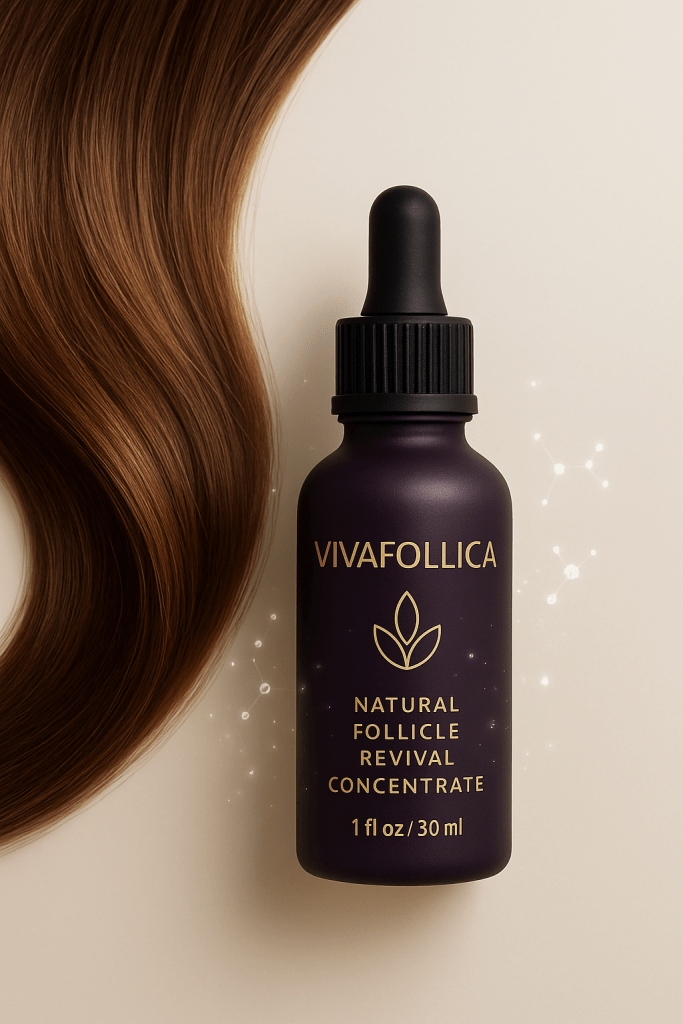
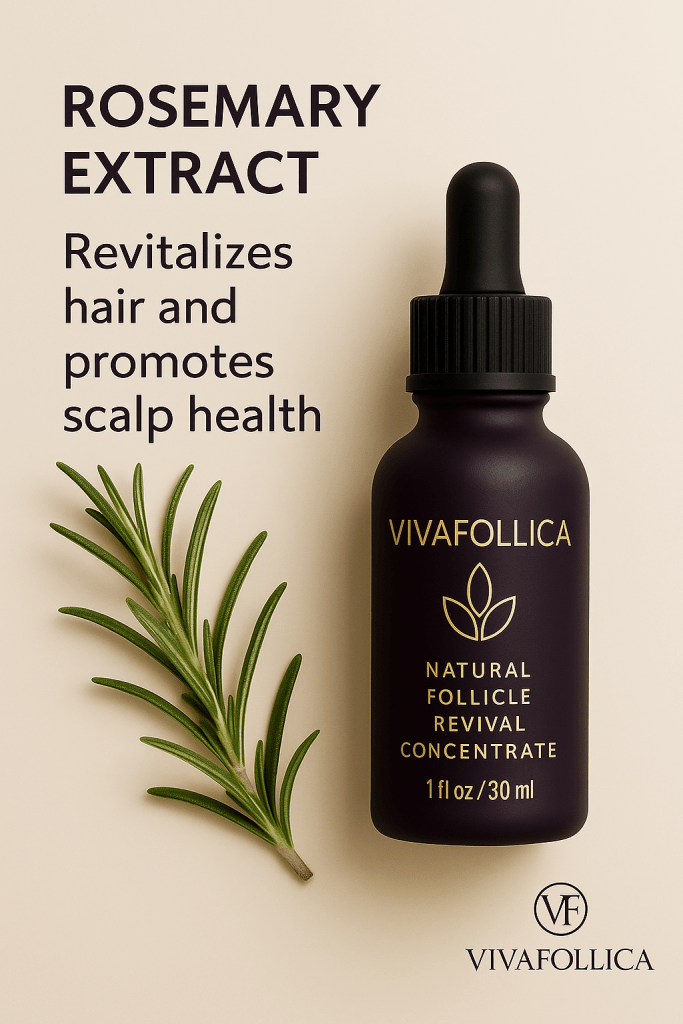
    For example, Vivafollica’s Natural Follicle Revival Concentrate blends nourishing botanicals with Redensyl, Capixyl, Niacinamide, and Fo-Ti Root—all scientifically shown to encourage growth and protect pigment.

    This marriage of ancient wisdom and modern science means you don’t have to choose between natural rituals and proven results.

    Key Takeaways

    • Scalp oiling is skincare for your scalp—hydrating, strengthening, and stimulating growth.
    • Choose the right oil or oil-serum blend for your hair type.
    • Massage gently and consistently for the best results.
    • Works especially well for dry, brittle, or heat-styled hair, and in cold or dry climates.
    • Combining traditional oils with modern actives like those in Vivafollica gives both immediate and long-term benefits.

    Scalp oiling is a simple, time-honored ritual that nourishes the root of healthy hair.
    Whether you use pure botanical oils or a modern serum rich in Redensyl, Capixyl, Fo-Ti Root, and Niacinamide, the key is consistency.
    Your scalp is skin—treat it with the same care and it will reward you with stronger, thicker, more vibrant hair.

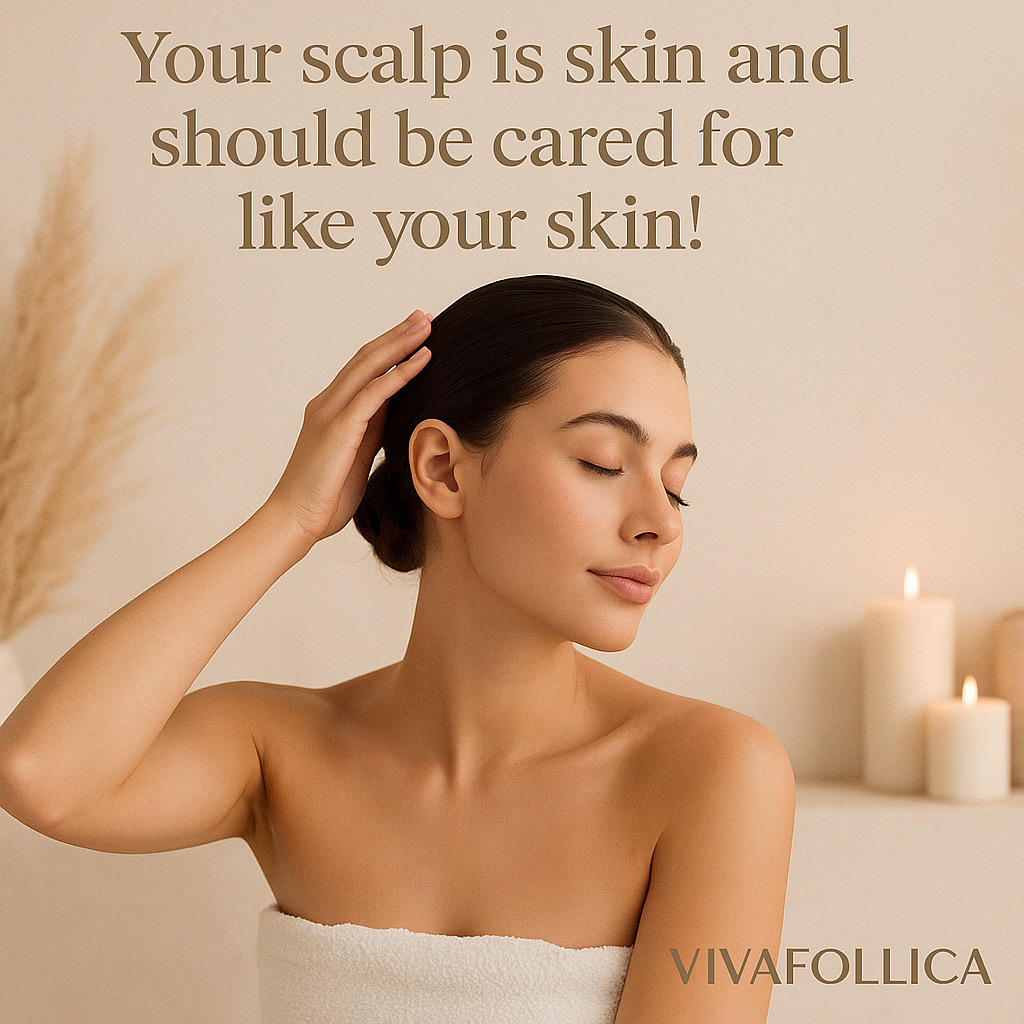
  • Your Scalp Is Skin: Why It Deserves the Same Care as Your Face and Body

    When most of us think about skincare, we picture cleansers, serums, and moisturizers for the face and body. But there’s one very important part of our skin that often gets ignored: the scalp. Just like the skin on our cheeks or arms, the scalp is living tissue with pores, oil glands, and a delicate barrier that protects and nourishes what grows from it—our hair.

    Treating the scalp as an afterthought can lead to dryness, itching, flaking, excess oil, and even hair thinning. If you want strong, glossy hair, scalp care should be step one, not an occasional add-on.

    Your Scalp = Skin

    Under a microscope, the scalp is virtually identical to the skin elsewhere on the body. It has:

    • Epidermis and dermis layers that renew every 28–30 days.
    • Sebaceous (oil) glands that lubricate and protect.
    • Sweat glands and a microbiome that maintain healthy pH.

    What makes the scalp unique is density: it has more oil glands and hair follicles per square inch than anywhere else on the body. Those follicles are living mini-organs that depend on healthy skin to grow strong hair.

    Just like facial skin, the scalp’s barrier can become dehydrated, inflamed, or clogged, leading to irritation, excess shedding, or slow growth.

    Why Scalp Neglect Shows Up in Your Hair

    If facial skin is neglected, it looks dull and ages faster. The scalp behaves the same way:

    • Build-up of product and oil suffocates follicles and can slow growth.
    • Dryness and micro-inflammation weaken hair roots and cause breakage.
    • Poor circulation limits delivery of oxygen and nutrients, leading to thinner strands.

    Healthy hair begins well below the surface. Without scalp care, styling products and even genetics can only go so far.

    Skincare Principles that Apply to the Scalp

    Think of scalp care as facial care, translated upward:

    Face Care StepScalp EquivalentWhy It Matters
    Gentle cleansingScalp shampoo or exfoliating treatmentRemoves product, sebum, dead cells
    Hydrating serumLeave-in scalp serumBalances oil, hydrates, soothes
    Antioxidant serumBotanical extracts (e.g., Fo-Ti root)Protects against free radicals & aging
    SPFUV protection spraysPrevents sun damage and dryness

    Your scalp thrives on the same routines—cleanse, treat, protect—that keep facial skin vibrant.

    Science-Backed Ingredients for a Healthy Scalp

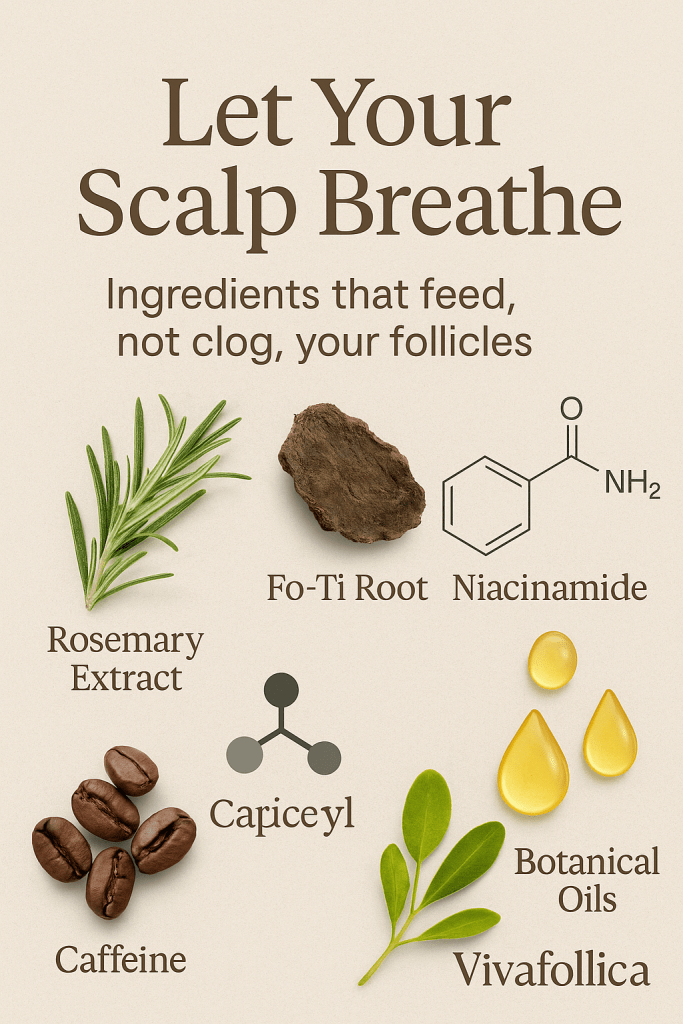
    Here are four hero ingredients that Vivafollica champions, each chosen for its ability to create the optimal scalp environment for healthy, thick hair:

    1. Redensyl®

    A plant-based complex that targets hair follicle stem cells, helping to restart the growth cycle. Redensyl nourishes the papilla (the follicle’s growth engine) and improves density over time.

    2. Capixyl™

    A peptide + red clover blend that helps reduce inflammation around follicles, anchoring hair more securely and discouraging miniaturization (a common cause of thinning). It’s like a calm, nutrient-rich cushion for each strand.

    3. Fo-Ti Root (He Shou Wu)

    An antioxidant powerhouse long used in Chinese herbal traditions to protect natural pigment and slow premature graying. Modern research shows Fo-Ti can help improve circulation and protect follicle cells from oxidative stress.

    4. Niacinamide (Vitamin B3)

    Famous in facial serums, Niacinamide boosts microcirculation, strengthens the scalp’s barrier, and supports keratin production for stronger, thicker hair. It also helps calm irritation and regulate oil—vital for balanced scalp health.

    How to Incorporate Scalp Care Daily

    1. Cleanse Thoughtfully
    Choose a gentle, sulfate-free shampoo and massage it in with your fingertips (not nails) for 60 seconds. This lifts debris and stimulates blood flow.

    2. Exfoliate Weekly
    A mild scalp scrub or an exfoliating tonic removes dead cells and styling build-up, keeping follicles clear.

    3. Feed the Skin
    Apply a lightweight scalp serum—ideally one rich in Redensyl, Capixyl, Fo-Ti root, and Niacinamide—to supply antioxidants, peptides, and hydration directly where hair begins.

    4. Protect and Balance
    If you spend time outdoors, a scalp-friendly UV spray prevents sun damage and dryness.

    Lifestyle Habits That Support Scalp Skin

    • Stay hydrated and eat nutrient-rich foods (leafy greens, protein, omega-3s) to support cell renewal.
    • Avoid tight hairstyles that restrict blood flow.
    • Limit harsh chemical treatments and excessive heat.
    • Manage stress, which can increase shedding and affect oil production.

    Why Vivafollica Focuses on the Scalp

    Vivafollica was founded on the principle that hair wellness starts at the root. Our Natural Follicle Revival Concentrate blends Redensyl, Capixyl, Fo-Ti root, and Niacinamide to nourish the scalp as carefully as you nourish your face. This synergy helps:

    • Improve follicle strength and density
    • Maintain natural pigment and delay graying
    • Reduce irritation and dryness
    • Create the ideal foundation for stronger, more resilient hair

    It’s the same philosophy that guides great skincare—clean, treat, protect—brought to the scalp.

    Healthy, beautiful hair begins with a healthy scalp. Care for it with the same attention you give to your face, and you’ll see the results from root to tip.

  • Niacinamide (Vitamin B3): The Secret to Thicker, Stronger Hair

    More Than a Skincare Ingredient

    When most people think of Niacinamide (Vitamin B3), they picture glowing skin, minimized pores, and a smooth complexion. But this powerhouse vitamin isn’t just a skincare favorite — it’s also emerging as a key player in hair health. From boosting scalp circulation to strengthening follicles, Niacinamide has become an essential ingredient in advanced haircare formulas like Vivafollica’s Natural Follicle Revival Concentrate.

    In this article, we’ll explore how Niacinamide helps regrow and thicken hair, the science behind its benefits, and why it deserves a permanent place in your hair wellness routine.

    What Is Niacinamide?

    Niacinamide is a form of Vitamin B3, a water-soluble vitamin essential for energy metabolism and cellular repair. Unlike some nutrients, Vitamin B3 cannot be stored by the body for long, meaning we need a constant supply through diet, supplements, or topical products.

    When applied to the scalp, Niacinamide:

    • Enhances blood flow
    • Boosts keratin and protein production
    • Strengthens the skin barrier (including the scalp)
    • Provides antioxidant protection

    Together, these actions create the perfect environment for healthy hair growth and thickness.

    How Niacinamide Benefits Hair Growth

    1. Improves Blood Circulation to the Scalp

    Healthy hair begins with a nourished scalp. Niacinamide helps increase microcirculation, delivering more oxygen and nutrients to hair follicles. A well-fed follicle is stronger, more resilient, and capable of producing thicker strands.

    👉 Think of it like watering a plant — the better the roots are nourished, the healthier the plant grows.

    2. Boosts Keratin and Protein Synthesis

    Hair is primarily made of keratin, a structural protein. Niacinamide plays a role in boosting keratin and other proteins, making strands stronger and less prone to breakage.

    This is especially important for those with thinning or brittle hair. By strengthening the structural foundation, Niacinamide helps hair grow longer without snapping or splitting.

    3. Supports Fuller, Thicker Hair Growth

    By reducing oxidative stress and improving scalp health, Niacinamide supports follicles during the anagen phase (active growth phase). This means not only more strands, but denser, fuller hair overall.

    4. Reduces Scalp Inflammation

    Inflammation at the follicle level can cause shedding, thinning, and even scalp discomfort. Niacinamide’s anti-inflammatory properties help soothe the scalp, creating a balanced environment for regrowth.

    5. Provides Antioxidant Protection

    Oxidative stress — caused by pollution, UV rays, and lifestyle factors — accelerates hair aging and weakens follicles. Niacinamide functions as an antioxidant, neutralizing free radicals that damage cells and lead to thinning or premature graying.

    Scientific Evidence Behind Niacinamide for Hair

    Several studies have highlighted the benefits of topical Niacinamide:

    • A 2005 study found that a topical preparation with Niacinamide improved hair fullness, volume, and scalp healthin women experiencing hair thinning.
    • Dermatology research suggests that Niacinamide enhances epidermal barrier function, meaning it strengthens the scalp’s ability to hold moisture and resist damage.
    • Its role in boosting NAD+ (nicotinamide adenine dinucleotide) levels improves cellular energy — essential for hair follicles, which are among the fastest-growing cells in the body.

    While more research is ongoing, the evidence so far supports Niacinamide as a valuable ingredient for hair regrowth and thickening formulas.

    Niacinamide vs. Other Hair Ingredients

    Niacinamide works best when paired with complementary actives. For example:

    • Redensyl → Activates stem cells to restart growth.
    • Capixyl → Reduces follicle inflammation and anchors hair at the root.
    • Fo-Ti Root (He Shou Wu) → Protects pigment cells to slow graying.

    Together, these create a synergistic formula targeting every stage of the hair growth cycle — from stimulating follicles to protecting against future thinning.

    This is the philosophy behind Vivafollica’s Natural Follicle Revival Concentrate: a blend of modern science and natural botanicals.

    How to Use Niacinamide for Hair

    Niacinamide is most effective when applied topically to the scalp. Here’s how to integrate it into your routine:

    1. Apply Daily – Consistency is key for visible results.
    2. Massage Into Scalp – Improves circulation and absorption.
    3. Target Thinning Areas – Focus on the hairline, crown, or spots with noticeable shedding.
    4. Combine With Lifestyle Care – Balanced nutrition, stress management, and sun protection all support healthy growth.

    Safety and Side Effects

    One of the best things about Niacinamide is its excellent safety profile.

    • Non-irritating for most skin types.
    • Works well with other active ingredients.
    • Rarely causes sensitivity.

    As with all topicals, it’s smart to do a patch test before full application, especially if you have sensitive skin.

    Vivafollica: Where Nature Meets Science

    At Vivafollica, we believe that the future of haircare lies in combining time-tested botanicals with clinically proven actives. That’s why our formulas include Niacinamide, alongside Redensyl, Capixyl, and Fo-Ti Root — for a complete approach to reviving and protecting your hair.

    👉 Ready to experience the difference? Discover Vivafollica Natural Follicle Revival Concentrate — because your hair deserves the perfect balance of science and nature.

  • Hair Color and Gray Hair: Does Dyeing Make It Better or Worse?

    Introduction: The Gray Dilemma

    For many, the first instinct after spotting grays is to reach for the dye. But does coloring hair make gray hair worse, or can it be done without damage? The truth is, the answer depends on the type of coloring, hair health, and the products used. Let’s explore the science behind hair color and gray hair.

    Why Gray Hair Is Different

    Gray hair isn’t just hair that has lost pigment — its texture and structure change too:

    • Coarser texture: Grays often feel wiry or rough.
    • Thinner cuticle layer: This makes gray hair more porous and prone to dryness.
    • Lack of melanin: Without pigment, the hair shaft is more vulnerable to UV and oxidative damage.

    👉 This is why grays may react differently to coloring compared to pigmented hair.

    How Hair Color Works

    To understand the impact, it helps to know how dye works:

    1. Permanent dyes open the cuticle and deposit color deep into the cortex using ammonia and peroxide.
    2. Semi-permanent dyes coat the hair shaft with color but don’t penetrate deeply.
    3. Natural dyes (like henna or herbal blends) stain the surface of the hair without harsh chemicals.

    Each type affects gray hair differently.

    Can Hair Dye Make Grays Worse?

    1. Chemical Stress

    Permanent dyes use ammonia and peroxide, which can weaken the cuticle. Over time, this:

    • Dries out gray hair (already prone to dryness).
    • Causes brittleness and breakage.
    • May make grays appear more prominent as damaged hair reflects light unevenly.

    2. Fading & Resistance

    Gray hair is notoriously resistant to color because of its coarse texture. This often leads people to re-dye frequently, exposing hair to more chemicals and increasing long-term damage.

    3. Oxidative Damage

    Some dyes generate free radicals in the coloring process, which accelerate oxidative stress — the same process that caused hair to gray in the first place.

    When Hair Color Doesn’t Hurt Grays

    On the other hand, not all coloring is harmful. With the right approach, dyeing gray hair can actually enhance appearance without worsening the condition:

    • Semi-permanent or demi-permanent dyes: Gentler, no ammonia, and often infused with conditioning agents. They can blend grays softly without heavy damage.
    • Natural dyes: Henna, indigo, or herbal blends coat hair strands and improve shine without lifting the cuticle.
    • Professional salon techniques: Low-ammonia formulas, gloss treatments, and strategic highlighting can disguise grays while maintaining hair health.

    How to Color Gray Hair Without Damage

    1. Choose Gentle Formulas

    Look for ammonia-free, low-peroxide, or plant-based color systems. These minimize cuticle disruption and keep hair stronger.

    2. Focus on Blending, Not Covering

    Instead of full coverage every 3–4 weeks, consider blending techniques like balayage or highlights, which soften grays without harsh upkeep.

    3. Hydration Is Key

    Conditioning masks, scalp serums, and leave-ins restore moisture lost during coloring. Gray hair especially benefits from hydrating ingredients like hyaluronic acid, peptides, and plant oils.

    4. Antioxidant Support

    Since oxidative stress contributes to both graying and dye damage, using antioxidants (like those in Fo-Ti Root, green tea, or vitamin E) can help protect hair cells and maintain vibrancy.

    5. Protect Between Colors

    UV rays fade dye quickly — especially on grays. A UV-protectant spray or serum helps preserve both pigment and strength.

    The Vivafollica Approach

    At Vivafollica, we understand that many clients color their hair but still want strong, healthy follicles. That’s why our formulations focus on:

    • Scalp nutrition → feeding follicles with Redensyl, Capixyl, and Caffeine.
    • Antioxidant protection → Fo-Ti root and botanical extracts combat oxidative stress.
    • Strengthening hair fiber → hydration and resilience to withstand external stressors like coloring.

    This means you can enjoy your chosen shade while keeping hair and scalp in their healthiest state.

    Coloring gray hair doesn’t have to make it worse — but it depends on how you do it. By choosing gentler dyes, spacing out treatments, and pairing coloring with nourishing scalp and hair care, you can enjoy vibrant color without compromising health.

    👉 With Vivafollica, you don’t have to choose between beauty and science — you can have both.

  • Why Does Hair Turn Gray? Understanding the Causes of Graying Hair

    Introduction: The Mystery of Gray Hair

    Few things signal aging as clearly as the first silver strand in your hair. For some, it happens in their 40s or 50s; for others, grays begin to appear as early as their 20s. While gray hair is a completely natural part of life, understanding why it happens can help us slow the process and keep hair looking youthful for longer.

    The Role of Melanin in Hair Color

    Hair color is determined by melanin, a natural pigment produced by specialized cells called melanocytes, located in each hair follicle.

    • Eumelanin → produces black or brown tones.
    • Pheomelanin → produces blonde and red tones.

    When melanocytes reduce melanin production, hair loses its natural color and turns gray, silver, or white.

    The Main Causes of Gray Hair

    1. Genetics (The Biggest Factor)

    Genetics largely determine when and how quickly your hair turns gray. If your parents or grandparents grayed early, chances are you might too. Research shows that specific genes — such as the IRF4 gene — regulate melanin production and influence the onset of graying.

    👉 This is why some people in their 20s already see gray strands, while others may not gray until their 60s.

    2. Aging and Cellular Decline

    As we age, melanocytes naturally slow down and eventually stop producing melanin. This is the most common and unavoidable cause of gray hair. With each new hair cycle, the pigment supply decreases, leading to lighter and lighter strands.

    3. Oxidative Stress and Free Radical Damage

    Oxidative stress plays a critical role in premature graying. Here’s how:

    • Free radicals (unstable molecules) damage melanocytes.
    • This weakens their ability to produce melanin.
    • Over time, the balance between melanin production and oxidative stress tips — resulting in grays.

    Environmental factors like pollution, UV exposure, and even smoking can accelerate this process.

    4. Hydrogen Peroxide Build-Up

    Surprisingly, hydrogen peroxide isn’t just in your medicine cabinet — your body produces it too. Over time, hair follicles accumulate excess hydrogen peroxide, which bleaches melanin from within.

    • Younger individuals efficiently break it down with enzymes (like catalase).
    • As we age, enzyme levels decline, and hydrogen peroxide builds up, lightening hair from the inside out.

    5. Nutritional Deficiencies

    Lack of key nutrients can accelerate graying:

    • Vitamin B12: Deficiency is strongly linked to early graying.
    • Copper: Essential for melanin production.
    • Iron & Zinc: Support healthy follicle function.
    • Antioxidants (Vitamin C, E, and Polyphenols): Help fight oxidative stress.

    Poor diet or malabsorption conditions (like anemia or thyroid disorders) may contribute to premature grays.

    6. Stress: Myth or Reality?

    The idea that stress causes gray hair has been debated for decades. Recent studies suggest stress can indeed play a role:

    • Stress increases the release of norepinephrine, which depletes stem cells in the hair follicle responsible for regenerating pigment.
    • High-stress events may trigger sudden pigment loss in some individuals.

    So while stress may not be the sole cause, it can certainly accelerate graying in those already predisposed.

    7. Medical Conditions

    Certain health conditions can lead to premature graying:

    • Thyroid disorders: Affect melanin production.
    • Vitiligo: Autoimmune condition that destroys pigment cells.
    • Alopecia Areata: Can cause sudden graying when hair regrows without pigment.

    8. Lifestyle Factors

    Your daily habits also play a role:

    • Smoking: Smokers are 2.5 times more likely to gray prematurely.
    • Excessive alcohol: Contributes to oxidative stress.
    • Poor sleep: Impacts cellular repair, including pigment cells.

    Can Gray Hair Be Prevented or Reversed?

    While some causes (like genetics and aging) are inevitable, others can be managed:

    • Antioxidant-rich diet → berries, leafy greens, nuts, green tea.
    • Scalp circulation → massage, treatments that improve blood flow.
    • Nutrient support → vitamins and minerals essential for pigment production.
    • Topical solutions → botanicals like Fo-Ti root and active ingredients that protect and nourish melanocytes.

    How Vivafollica Approaches Gray Hair Prevention

    At Vivafollica, we believe in a holistic, science-meets-nature approach:

    • Fo-Ti Root → rich in antioxidants, historically used to preserve natural hair color.
    • Redensyl & Capixyl → clinically tested actives that strengthen follicles.
    • Caffeine & Botanical Extracts → improve scalp circulation and nutrient delivery.

    By combining advanced biotechnology with time-honored herbal ingredients, Vivafollica creates products designed to slow premature graying while reviving hair strength and fullness.

    Gray hair is natural, but understanding its causes empowers you to take proactive steps for healthier, more youthful hair. By nourishing your follicles, protecting pigment cells, and reducing oxidative stress, you can maintain your natural color longer — and embrace the beauty of hair at every stage of life.

    👉 Discover Vivafollica’s science-backed formulas today — and give your hair the gift of timeless vitality.

  • Fo-Ti Root: The Ancient Herbal Secret for Hair Growth and Gray Prevention

    What Is Fo-Ti Root?

    Fo-Ti root, also known as He Shou Wu, is a traditional Chinese herb that has been used for over 1,000 years to support vitality, longevity, and beauty. The name He Shou Wu literally translates to “Mr. He’s Black Hair,” a reference to the legendary story of an aging man whose gray hair turned black again after using this remarkable root.

    While myths and folklore surround its origin, modern research has begun to explore Fo-Ti’s potential role in supporting hair and scalp health.

    The Science Behind Fo-Ti and Hair Growth

    Fo-Ti root contains a unique blend of antioxidants, zinc, iron, and stilbene glycosides. Together, these compounds may:

    • Nourish hair follicles: By improving blood flow and circulation to the scalp, Fo-Ti helps deliver oxygen and nutrients directly to the roots of the hair.
    • Protect pigment cells: Its antioxidant properties help shield melanocytes (the cells responsible for hair color) from damage, slowing down premature graying.
    • Reduce oxidative stress: Oxidative stress is one of the key drivers of hair thinning and aging. Fo-Ti’s compounds may help neutralize free radicals that damage hair cells.

    Benefits of Fo-Ti Root for Hair

    1. Supports Hair Growth

    Fo-Ti is believed to stimulate dormant hair follicles, encouraging the growth of thicker, healthier strands. Consistent nourishment of the scalp promotes long-term hair vitality.

    2. Helps Prevent Premature Graying

    Thanks to its antioxidant-rich profile, Fo-Ti helps protect melanin, the pigment responsible for your natural hair color. This may reduce the speed at which hair turns gray, keeping it youthful for longer.

    3. Improves Scalp Circulation

    A healthy scalp means healthy hair. Fo-Ti’s circulation-enhancing properties ensure that essential nutrients reach each follicle, creating the optimal environment for hair growth.

    4. Boosts Overall Hair Strength

    Fo-Ti’s mineral content contributes to stronger, shinier strands that are more resistant to breakage.

    Tradition Meets Modern Innovation

    For centuries, Fo-Ti has been steeped in Chinese herbal medicine as a longevity tonic. Today, modern science is uncovering how its antioxidant and bioactive compounds may support not only hair revival but also overall wellness.

    At Vivafollica, we honor this balance of ancient wisdom and modern research. By carefully combining Fo-Ti root with clinically studied actives like Redensyl, Capixyl, and Caffeine, our formulations maximize results for stronger, fuller, and more youthful-looking hair.

    Is Fo-Ti Safe?

    When used in topical formulations like Vivafollica Natural Follicle Revival Concentrate, Fo-Ti is safe and effective for scalp and hair application. Oral supplements of Fo-Ti root can sometimes cause side effects when taken improperly — which is why we focus on carefully balanced, topical solutions that deliver targeted benefits directly where your hair needs it most.

    How to Use Fo-Ti for Hair Care

    Incorporating Fo-Ti into your hair routine is simple when it’s part of a complete, science-backed formula:

    1. Apply Daily – Massage the serum into your scalp once or twice per day.
    2. Focus on the Roots – Apply directly to thinning areas or where graying is most noticeable.
    3. Be Consistent – Visible improvements often require 3–6 months of regular use.

    The Future of Herbal Hair Science

    As more research emerges, Fo-Ti root continues to be recognized as one of nature’s most powerful ingredients for hair vitality. Combined with modern biotechnology, it represents a holistic approach to hair growth and anti-aging that goes beyond quick fixes.

    Vivafollica: Where Nature Meets Science

    At Vivafollica, our mission is simple: to restore confidence by reviving your hair naturally. That’s why we combine ancient botanicals like Fo-Ti root with scientifically validated ingredients to create products that truly transform.

  • Redensyl + Capixyl: The Dynamic Duo for Hair Growth and Scalp Health

    Hair loss and thinning hair affect millions of people worldwide. Whether it’s caused by stress, aging, hormones, or genetics, the impact goes far beyond appearance—it often affects confidence and overall well-being.

    Thankfully, modern cosmetic science has discovered ingredients that go deeper than surface-level treatments. Two of the most powerful are Redensyl® and Capixyl™. When used together, they form a synergistic duo that doesn’t just mask hair problems—it actively supports the scalp, strengthens follicles, and promotes new, healthier hair growth.

    In this blog, we’ll explore what Redensyl and Capixyl are, how they work individually, and why the combination is so effective.

    What Is Redensyl?

    Redensyl is often called the “hair galvanizer.” It’s a patented ingredient designed to target the root cause of hair loss—the inactivity of hair follicle stem cells.

    Here’s how it works:

    • Reactivates stem cells: Redensyl stimulates the stem cells inside hair follicles, encouraging them to re-enter the growth phase (anagen phase).
    • Extends growth cycles: It helps keep hair in the growth stage for longer, reducing the amount of hair that enters the shedding stage.
    • Non-hormonal: Unlike some hair loss treatments, Redensyl does not interfere with hormones, making it safe for both men and women.

    ✨ The result? More strands stay on your head, and new ones begin to grow in previously thinning areas.

    What Is Capixyl?

    Capixyl is another breakthrough ingredient for scalp and hair health. It’s a biomimetic peptide combined with red clover extract, designed to strengthen the scalp environment and reduce follicle inflammation.

    Key benefits include:

    • Reduces scalp inflammation: A calm, healthy scalp is essential for healthy follicles. Capixyl reduces irritation that can block growth.
    • Strengthens the extracellular matrix: This supports the follicle’s “anchor,” making hair stronger at the root.
    • Balances DHT activity: While not hormonal, Capixyl helps counter the effects of DHT (a hormone linked to hair miniaturization), especially useful for those with pattern thinning.

    ✨ The result? Hair grows in a more stable, nourished environment, with reduced shedding and breakage.

    Why Redensyl + Capixyl Work Better Together

    Individually, both ingredients are powerful. But when combined, they target different pathways of hair health, creating a complete system for growth and strength.

    • Redensyl focuses on growth activation. It wakes up dormant follicles and encourages new strands to emerge.
    • Capixyl focuses on follicle strength and scalp balance. It ensures the new hair has a healthier foundation to grow from.

    Think of it like gardening:

    • Redensyl is the seed activator, pushing dormant seeds to sprout.
    • Capixyl is the nutrient-rich soil conditioner, ensuring the sprouts grow strong and resilient.

    Together, they address both the cause and the environment of hair loss.

    The Benefits of Using Redensyl + Capixyl Together

    When used in a serum like Vivafollica’s Natural Follicle Revival Concentrate, these two ingredients work hand-in-hand to deliver noticeable improvements:

    1. Reduces Hair Shedding
      Many users first notice less hair falling out during brushing or showering.
    2. Boosts New Hair Growth
      By reactivating dormant follicles, more hairs enter the growth phase.
    3. Improves Thickness and Density
      New hair is stronger, and existing strands grow thicker, creating a fuller look.
    4. Supports Scalp Health
      A calm, nourished scalp creates the ideal environment for growth.
    5. Works for Both Men and Women
      Because the approach is non-hormonal, it’s safe and effective for all hair types.

    What Do Studies Say?

    Clinical studies have shown that:

    • Redensyl can increase hair density by up to 17% in three months.
    • Capixyl significantly improves scalp health markers and reduces follicle miniaturization.
    • When combined, results are often visible within 8–12 weeks of consistent use.

    Who Should Use Redensyl + Capixyl?

    These ingredients are a great option if you are:

    • Experiencing early signs of thinning or shedding
    • Noticing a wider part, receding hairline, or reduced ponytail volume
    • Wanting a clean beauty alternative without harsh chemicals
    • Looking for a non-invasive way to support long-term hair health

    How to Use It for Best Results

    • Apply a few drops of serum directly onto the scalp daily.
    • Massage gently to stimulate circulation.
    • Be consistent—results take time, but most users see improvements within 3 months.
    • Pair with gentle hair care and a balanced diet for maximum results.

    The Vivafollica Approach

    At Vivafollica, we’ve combined Redensyl and Capixyl with other powerhouse ingredients like Caffeine and Of-ti Root Extract to create a holistic scalp treatment.

    💜 Plus, our promise to you:
    ✔️ Vegan
    ✔️ Cruelty-Free
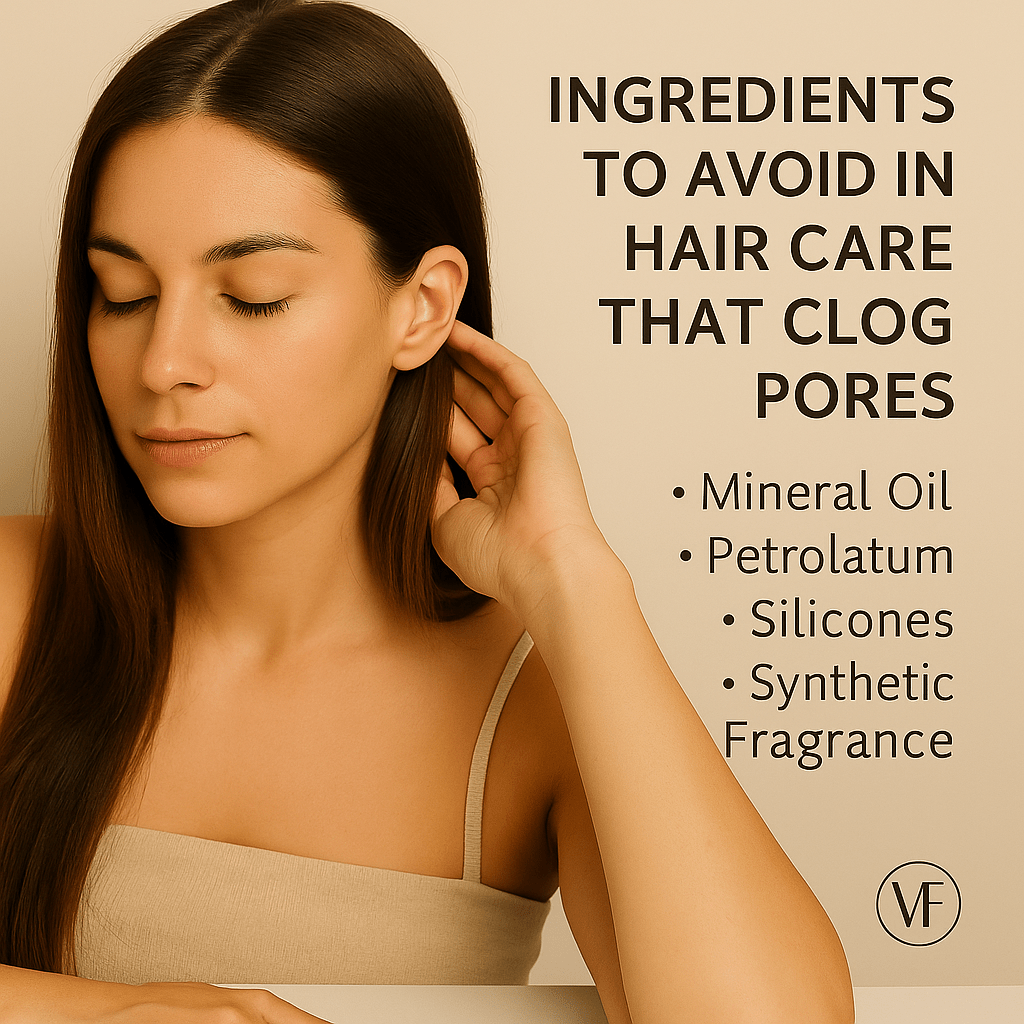
    ✔️ Mineral Oil Free
    ✔️ Sulphate Free

    Because we believe in science-backed beauty that’s also clean and ethical.

    Hair health isn’t just about what you see on the outside—it’s about what happens at the root. Redensyl and Capixyl together create a science-driven, natural solution that targets both hair follicles and scalp health, offering real hope for those experiencing thinning or hair loss.

    If you’ve been searching for a gentle yet powerful approach to fuller, stronger hair, this dynamic duo may be exactly what you need.

    📽️ Watch the video below to see how Redensyl + Capixyl work together and why they’re at the heart of Vivafollica’s Natural Follicle Revival Concentrate.