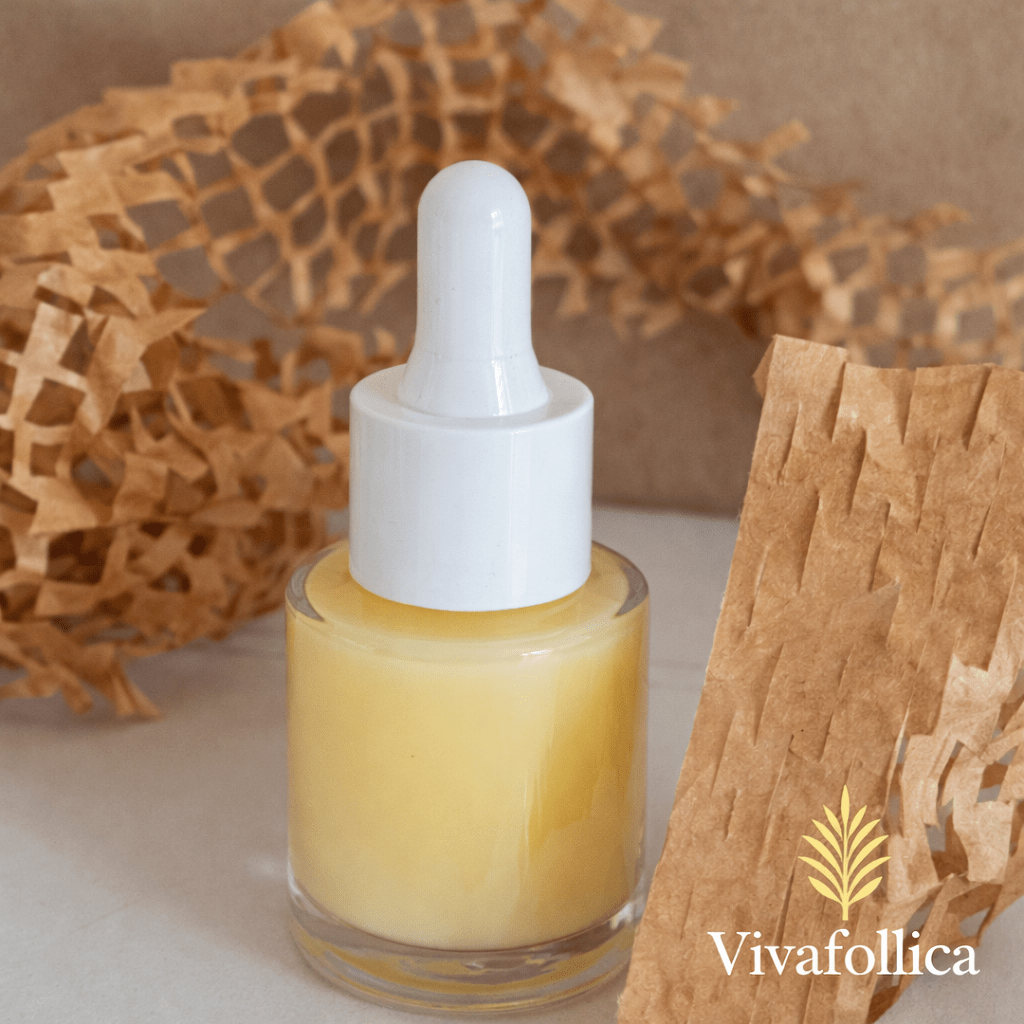
Tag: haircare

  • Why Hair Is So Important: More Than Just Appearance

    Hair is often dismissed as “just cosmetic,” but for most people, it represents something much deeper. It’s tied to identity, confidence, culture, health, and self-expression. When hair feels healthy, strong, and vibrant, it often reflects how we feel inside. When it doesn’t, it can quietly affect self-esteem, mood, and the way we show up in the world.

    Understanding why hair is so important helps shift the conversation from surface-level beauty to holistic care — and highlights why nurturing hair (starting at the scalp) truly matters.

    Hair as a Part of Identity

    From the way we style it to the way it grows naturally, hair is deeply personal. It reflects individuality, heritage, and even life stages. Across cultures and generations, hair has symbolized strength, femininity, freedom, spirituality, and status.

    For many people:

    • Hair represents youth and vitality
    • It’s a form of self-expression
    • It’s closely tied to confidence and self-image

    Changes in hair — whether thinning, shedding, dryness, or breakage — can feel unsettling because they impact how we recognize ourselves.

    The Emotional Impact of Hair Health

    Hair health affects more than appearance. When hair feels fragile or begins to thin, it can trigger emotional responses such as frustration, self-consciousness, or anxiety.

    This is especially true because hair changes are often gradual. You may notice more shedding in the shower, less volume at the roots, or slower growth over time. These subtle shifts can quietly impact confidence long before others notice anything at all.

    Healthy hair, on the other hand, often:

    • Boosts confidence
    • Encourages self-care rituals
    • Enhances how we feel day to day

    That’s why caring for hair isn’t vanity — it’s self-connection.

    Hair as a Reflection of Overall Health

    Hair is often considered a mirror of internal and external health. Stress, hormonal changes, nutrition, inflammation, and lifestyle habits all influence hair growth and quality.

    When the body is under stress, hair is often one of the first areas to show it. This is because hair growth is not a survival function — it thrives best when the body and scalp are supported.

    Common factors that affect hair health include:

    • Chronic stress
    • Hormonal fluctuations
    • Nutrient deficiencies
    • Inflammation
    • Scalp imbalance

    Supporting hair means supporting the environment it grows from — the scalp — and the body as a whole.

    Why the Scalp Matters So Much

    Hair doesn’t grow in isolation. Each strand emerges from a follicle embedded in the scalp, which is living skin with its own microbiome, circulation, and oil balance.

    When the scalp is healthy:

    • Follicles function more efficiently
    • Hair grows stronger and more resilient
    • The growth cycle remains balanced

    When the scalp is congested, inflamed, or neglected, hair growth can become compromised. This is why a scalp-first approach to hair care is essential — it creates the foundation for healthy hair over time.

    Hair and Confidence in Daily Life

    Hair is one of the first things we notice about ourselves in the mirror. It frames the face, influences style choices, and plays a role in how we present ourselves socially and professionally.

    Good hair days often translate into:

    • Increased confidence
    • Easier styling
    • Feeling more put together

    Struggling with hair issues, on the other hand, can make people feel less confident — even if they don’t consciously connect the two. This emotional connection is why gentle, intentional hair care matters so deeply.

    The Shift Toward Intentional Hair Care

    The conversation around hair care is evolving. Instead of quick fixes and harsh treatments, there is a growing focus on long-term hair wellness — supporting hair health rather than masking symptoms.

    This shift emphasizes:

    • Scalp care over excessive styling
    • Nourishment over harsh stripping
    • Consistency over instant results

    Healthy hair is built slowly, through intentional habits and thoughtful formulations that respect the scalp and hair’s natural balance.

    Why Hair Deserves Thoughtful Care

    Hair is exposed daily to environmental stressors, heat styling, friction, and product buildup. Without proper care, this can weaken strands and disrupt the scalp environment.

    Thoughtful hair care means:

    • Using gentle, scalp-friendly products
    • Avoiding unnecessary irritation
    • Supporting natural growth cycles
    • Treating hair as an extension of skin health

    When hair care becomes intentional, it transforms from a routine into a form of self-respect.

    Hair matters because it’s deeply human. It carries emotion, identity, and confidence. It reflects health, stress, and care — and it deserves to be treated with patience and intention.

    By understanding the importance of hair and the role the scalp plays in its health, we can move away from quick fixes and toward sustainable hair wellness. Healthy hair isn’t rushed. It’s cultivated — from the root up.
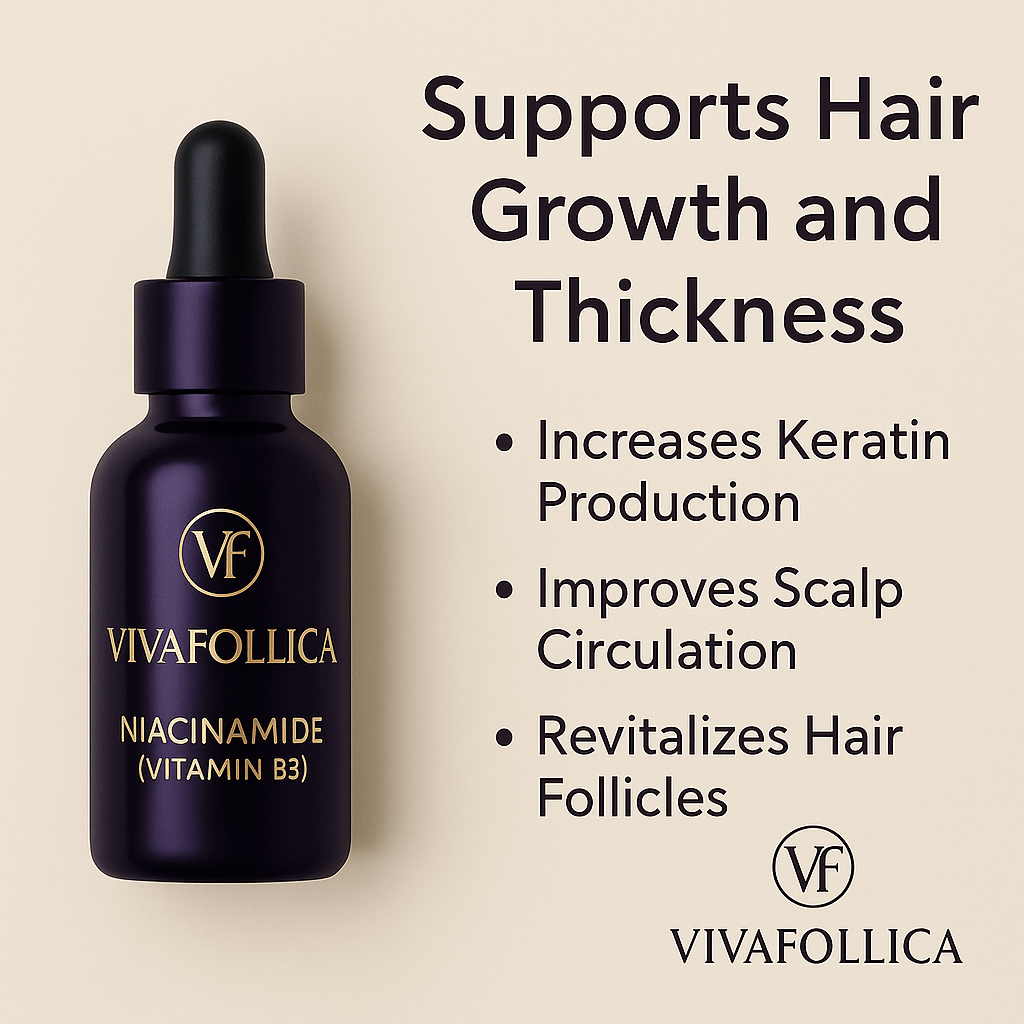

  • Niacinamide (Vitamin B3): The Secret to Thicker, Stronger Hair

    More Than a Skincare Ingredient

    When most people think of Niacinamide (Vitamin B3), they picture glowing skin, minimized pores, and a smooth complexion. But this powerhouse vitamin isn’t just a skincare favorite — it’s also emerging as a key player in hair health. From boosting scalp circulation to strengthening follicles, Niacinamide has become an essential ingredient in advanced haircare formulas like Vivafollica’s Natural Follicle Revival Concentrate.

    In this article, we’ll explore how Niacinamide helps regrow and thicken hair, the science behind its benefits, and why it deserves a permanent place in your hair wellness routine.

    What Is Niacinamide?

    Niacinamide is a form of Vitamin B3, a water-soluble vitamin essential for energy metabolism and cellular repair. Unlike some nutrients, Vitamin B3 cannot be stored by the body for long, meaning we need a constant supply through diet, supplements, or topical products.

    When applied to the scalp, Niacinamide:

    • Enhances blood flow
    • Boosts keratin and protein production
    • Strengthens the skin barrier (including the scalp)
    • Provides antioxidant protection

    Together, these actions create the perfect environment for healthy hair growth and thickness.

    How Niacinamide Benefits Hair Growth

    1. Improves Blood Circulation to the Scalp

    Healthy hair begins with a nourished scalp. Niacinamide helps increase microcirculation, delivering more oxygen and nutrients to hair follicles. A well-fed follicle is stronger, more resilient, and capable of producing thicker strands.

    👉 Think of it like watering a plant — the better the roots are nourished, the healthier the plant grows.

    2. Boosts Keratin and Protein Synthesis

    Hair is primarily made of keratin, a structural protein. Niacinamide plays a role in boosting keratin and other proteins, making strands stronger and less prone to breakage.

    This is especially important for those with thinning or brittle hair. By strengthening the structural foundation, Niacinamide helps hair grow longer without snapping or splitting.

    3. Supports Fuller, Thicker Hair Growth

    By reducing oxidative stress and improving scalp health, Niacinamide supports follicles during the anagen phase (active growth phase). This means not only more strands, but denser, fuller hair overall.

    4. Reduces Scalp Inflammation

    Inflammation at the follicle level can cause shedding, thinning, and even scalp discomfort. Niacinamide’s anti-inflammatory properties help soothe the scalp, creating a balanced environment for regrowth.

    5. Provides Antioxidant Protection

    Oxidative stress — caused by pollution, UV rays, and lifestyle factors — accelerates hair aging and weakens follicles. Niacinamide functions as an antioxidant, neutralizing free radicals that damage cells and lead to thinning or premature graying.

    Scientific Evidence Behind Niacinamide for Hair

    Several studies have highlighted the benefits of topical Niacinamide:

    • A 2005 study found that a topical preparation with Niacinamide improved hair fullness, volume, and scalp healthin women experiencing hair thinning.
    • Dermatology research suggests that Niacinamide enhances epidermal barrier function, meaning it strengthens the scalp’s ability to hold moisture and resist damage.
    • Its role in boosting NAD+ (nicotinamide adenine dinucleotide) levels improves cellular energy — essential for hair follicles, which are among the fastest-growing cells in the body.

    While more research is ongoing, the evidence so far supports Niacinamide as a valuable ingredient for hair regrowth and thickening formulas.

    Niacinamide vs. Other Hair Ingredients

    Niacinamide works best when paired with complementary actives. For example:

    • Redensyl → Activates stem cells to restart growth.
    • Capixyl → Reduces follicle inflammation and anchors hair at the root.
    • Fo-Ti Root (He Shou Wu) → Protects pigment cells to slow graying.

    Together, these create a synergistic formula targeting every stage of the hair growth cycle — from stimulating follicles to protecting against future thinning.

    This is the philosophy behind Vivafollica’s Natural Follicle Revival Concentrate: a blend of modern science and natural botanicals.

    How to Use Niacinamide for Hair

    Niacinamide is most effective when applied topically to the scalp. Here’s how to integrate it into your routine:

    1. Apply Daily – Consistency is key for visible results.
    2. Massage Into Scalp – Improves circulation and absorption.
    3. Target Thinning Areas – Focus on the hairline, crown, or spots with noticeable shedding.
    4. Combine With Lifestyle Care – Balanced nutrition, stress management, and sun protection all support healthy growth.

    Safety and Side Effects

    One of the best things about Niacinamide is its excellent safety profile.

    • Non-irritating for most skin types.
    • Works well with other active ingredients.
    • Rarely causes sensitivity.

    As with all topicals, it’s smart to do a patch test before full application, especially if you have sensitive skin.

    Vivafollica: Where Nature Meets Science

    At Vivafollica, we believe that the future of haircare lies in combining time-tested botanicals with clinically proven actives. That’s why our formulas include Niacinamide, alongside Redensyl, Capixyl, and Fo-Ti Root — for a complete approach to reviving and protecting your hair.

    👉 Ready to experience the difference? Discover Vivafollica Natural Follicle Revival Concentrate — because your hair deserves the perfect balance of science and nature.

  • Top 3 Reasons Women Use Hair Growth Serums (And Why You Might Want To, Too)

    Hair has always played a central role in how women express their identity and confidence. Whether you’re aiming for Rapunzel-length tresses or just trying to fill in a few thinning spots, you’re not alone. One of the most talked-about solutions in recent years? Hair growth serums. Lightweight, easy to apply, and packed with active ingredients, these serums have quickly become staples in many women’s beauty routines.

    But what exactly is driving this trend? Let’s explore the top 3 reasons women are turning to hair growth serums—and why you might want to give one a try.

    1. Combatting Hair Thinning and Shedding

    Perhaps the most common reason women use hair growth serums is to address thinning hair and excessive shedding. While hair loss has often been associated with men, millions of women experience it too—especially after pregnancy, during menopause, or due to stress, illness, or hormonal imbalance.

    What Causes Hair Thinning?

    Hair thinning can result from a variety of factors:

    • Hormonal changes (e.g., postpartum, perimenopause)
    • Stress and poor sleep habits
    • Nutritional deficiencies
    • Tight hairstyles that cause breakage
    • Overuse of heat styling tools or harsh chemicals

    This is where a hair growth serum comes in handy. These serums typically contain ingredients such as biotincaffeinepeptides, and plant-based extracts like saw palmetto or ginseng, which help to:

    • Strengthen the hair follicle
    • Stimulate blood flow to the scalp
    • Reduce breakage and encourage fuller, healthier hair

    For women noticing more hair in the shower drain or a widening part line, a good serum can make all the difference.

    2. Speeding Up Hair Growth After Damage or a Haircut

    Ever walked out of a salon regretting a haircut or spent months recovering from heat or bleach damage? You’re not alone. Many women use hair growth serums to speed up regrowth and restore stronger, shinier strands after damage.

    Recovery from Styling Damage

    Repeated color treatments, flat ironing, and tight braids can severely weaken hair over time. Hair growth serums help repair and revitalize by delivering nutrients directly to the follicle and scalp.

    Look for serums that include:

    • Hyaluronic acid – helps hydrate and plump hair at the root
    • Amino acids – rebuild the hair shaft
    • Castor oil or rosemary oil – known to enhance circulation and stimulate growth

    Even women growing out bangs, pixie cuts, or chemical damage love how serums help accelerate the awkward in-between phase.

    Growth Boost Postpartum or Post-Covid

    Some women also experience hair loss after childbirth or illness, including post-COVID hair shedding. While this is usually temporary, hair growth serums offer peace of mind and help the regrowth process feel faster and more manageable.

    3. Enhancing Overall Hair Health and Thickness

    Not every woman who uses a hair growth serum is dealing with major hair loss. Many turn to serums simply because they want thicker, shinier, and healthier-looking hair—and these products work!

    Daily Scalp Care is the New Skincare

    The trend of “scalp care as skincare” is growing. Just as we care for our facial skin with serums and moisturizers, women are learning that healthy hair starts with a balanced, nourished scalp.

    Hair growth serums often include:

    • Niacinamide – helps soothe the scalp and reduce inflammation
    • Zinc – regulates oil production
    • Panthenol (Vitamin B5) – adds shine and moisture

    By incorporating a serum into your daily routine, you’re not just promoting growth—you’re building a better environment for healthy, resilient strands from root to tip.

    Fuller Hair, More Confidence

    Many users report that even after a few weeks, their hair feels denser, styles hold better, and they experience fewer bad hair days. This boost in hair quality can mean a major boost in confidence—whether it’s for a job interview, a date, or just a day out running errands.

    Choosing the Right Hair Growth Serum for You

    With so many options available, choosing the right hair growth serum might feel overwhelming. Here’s what to look for:

    • Clinically tested ingredients: Look for formulas with proven actives like minoxidilcaffeinebiotin, or rosemary extract
    • Clean ingredients: Avoid harsh alcohols, parabens, and sulfates
    • Lightweight texture: Choose serums that absorb quickly without making hair greasy
    • Ease of use: A dropper or spray bottle helps make application simple

    Hair growth serums are more than a beauty trend—they’re a form of self-care. Whether you’re facing hair loss, growing out damage, or simply seeking fuller, shinier hair, the right serum can support your hair’s natural cycle and help you feel more like yourself again.

    Healthy hair takes time, but with patience and consistency, you may be surprised how effective a simple serum can be.