Tag: scalp oiling

  • Why Scalp Oiling Doesn’t Clog Pores or Make Hair Oily—And How to Treat Your Ends, Too

    If you’ve ever hesitated to oil your scalp because you fear greasy hair or clogged pores, you’re not alone. It sounds counterintuitive: adding oil to a scalp that naturally produces sebum. But when done correctly, scalp oiling is one of the most effective rituals for stronger, healthier hair—and it does not lead to clogged pores or an oily mess.

    Here’s why.

    1. Understanding the Scalp’s Natural Balance

    Your scalp is skin. Like the skin on your face, it has sebaceous (oil) glands that secrete sebum—the natural oil that keeps hair soft and your scalp protected. Problems like itchiness, flakiness, or even excessive oiliness often stem from an imbalance: either too little sebum (leading to dryness) or overproduction triggered by irritation and product buildup.

    When applied properly, natural plant oils such as rosemary, jojoba, or argan actually help to balance this system. Instead of adding “more grease,” they:

    • Mimic the structure of natural sebum (especially jojoba oil) so the scalp recognizes it as familiar and stops overproducing oil.
    • Dissolve hardened sebum plugs and styling residue that can otherwise block follicles.
    • Reinforce the skin barrier, preventing dehydration and the irritation that can trigger excess oil production.

    The result? A healthier scalp that self-regulates, rather than one forced into overdrive.

    2. Why Scalp Oils Don’t Clog Pores

    Clogged pores—or folliculitis—occur when heavy, non-breathable ingredients sit on the scalp for long periods, trapping dead skin cells and bacteria. The key difference lies in which oils you use and how you apply them.

    • Choose non-comedogenic, lightweight oils. Jojoba, rosemary-infused carrier oils, argan, or grapeseed have molecular weights and fatty-acid profiles that sink into the skin instead of forming a waxy layer.
    • Apply sparingly. A few drops massaged into the scalp are enough to cover the entire area; drenching the scalp is unnecessary.
    • Massage and rinse. Gentle massage increases circulation and helps the oil penetrate, and washing with a mild shampoo ensures no residue lingers.

    In fact, the right oil blend cleanses follicles by loosening dead cells and hardened sebum, reducing the chance of blocked pores.

    3. Why It Doesn’t Make Hair “Too Oily”

    A well-formulated scalp oil doesn’t leave hair looking greasy for two main reasons:

    • Absorption and bonding: Oils like rosemary-infused jojoba or squalane absorb into the skin and upper hair shaft. They don’t simply sit on top of strands the way a heavy butter or mineral oil might.
    • Sebum feedback loop: When your scalp senses it’s properly moisturized, it scales back its own sebum production. Over time, this often means less natural oiliness, not more.

    Many people notice that after several weeks of consistent scalp oiling—especially if they previously struggled with oily roots—their wash frequency actually decreases because the scalp is finally balanced.

    4. How to Use Scalp Oil Correctly

    Step 1: Choose the right oil blend.
    Look for clean, cold-pressed oils with proven scalp benefits such as rosemary, tea tree, or peppermint in a light carrier like jojoba or grapeseed. Vivafollica’s blends, for example, pair rosemary with Redensyl and Capixyl for added follicle support.

    Step 2: Part hair and apply a few drops.
    Work in sections, applying drops directly to the scalp—not on the hair length.

    Step 3: Massage for 5–10 minutes.
    Use fingertips (not nails) to boost circulation and help the oil absorb.

    Step 4: Leave on 30 minutes to overnight.
    Cover with a silk scarf or shower cap if leaving overnight.

    Step 5: Cleanse gently.
    Shampoo as usual with a sulfate-free cleanser. If you used more oil, a double cleanse might be needed.

    5. The Bonus: Treating the Ends of Your Hair

    While the focus is on scalp health, the leftover oil on your hands after a massage is liquid gold for your hair ends. Here’s why applying it lightly to your lengths—especially the last 2–3 inches—makes a difference:

    • Prevents split ends: Oils fill microscopic gaps in the hair cuticle, reducing breakage.
    • Boosts shine and softness: They smooth the hair surface, reflecting light and reducing frizz.
    • Adds a protective layer: Particularly helpful before heat styling or exposure to dry indoor air.

    How to do it: After massaging your scalp, rub any excess oil between your palms and gently glide it over the lower half of your hair, focusing on the driest ends. There’s no need for extra oil; a whisper-thin layer is ideal.

    6. Common Myths Debunked

    Myth 1: Oil makes fine hair limp and greasy.
    Reality: Lightweight oils like jojoba are almost identical to natural scalp oils and absorb quickly. The key is using drops—not spoonfuls.

    Myth 2: You can skip shampoo after oiling.
    Reality: Cleansing is essential. The magic happens when the oil nourishes and then is washed away, leaving behind balanced hydration.

    Myth 3: Scalp oiling causes acne along the hairline.
    Reality: Acne near the scalp is more often linked to occlusive styling products, unwashed hats, or hormonal fluctuations. Non-comedogenic scalp oils, properly cleansed, are unlikely culprits.

    7. The Bigger Picture: Long-Term Benefits

    Regular scalp oiling delivers benefits that go beyond aesthetics:

    • Stronger hair from the root up
    • Balanced sebum production—meaning fewer “greasy hair days”
    • Healthier scalp microbiome with less itch or flake
    • Enhanced hair density and shine over time

    It’s an ancient practice validated by modern dermatology: nourishing the scalp is one of the simplest ways to transform the overall health of your hair.

    Key Takeaways

    • Scalp oiling doesn’t clog pores when you use lightweight, non-comedogenic oils and rinse properly.
    • It won’t make your hair oily—in fact, it helps regulate sebum production.
    • It doubles as a hair treatment when lightly smoothed over dry ends to prevent breakage and frizz.

    A few drops, a short massage, and a gentle cleanse are all it takes to reap these long-term rewards.

  • The Science-Backed Benefits of Rosemary Oil for Scalp Oiling

    Healthy, vibrant hair begins at the root—literally. While shampoos, conditioners, and styling products get plenty of attention, the scalp is the true foundation of hair growth and strength. One botanical ingredient that continues to capture the spotlight for scalp care is rosemary oil. Long used in traditional medicine and now increasingly supported by modern research, rosemary oil offers a powerful yet natural way to nourish the scalp and stimulate healthy hair growth.

    In this article, we’ll explore how rosemary oil works, why it’s so beneficial for scalp oiling, and how to incorporate it into your routine.

    1. What Makes Rosemary Oil Special

    Rosemary (Rosmarinus officinalis) is an aromatic evergreen shrub native to the Mediterranean. Its essential oil is distilled from the leaves and flowering tops, producing a concentrated extract rich in beneficial compounds such as:

    • Carnosic acid and rosmarinic acid: potent antioxidants that help neutralize free radicals and protect scalp tissue from oxidative stress.
    • 1,8-cineole and camphor: compounds with mild antimicrobial and anti-inflammatory properties.
    • Ursolic acid: a natural compound thought to help improve circulation and strengthen the hair follicle environment.

    These phytochemicals give rosemary oil its multi-dimensional benefits: stimulating hair growth, calming irritation, and supporting overall scalp wellness.

    2. Stimulates Hair Growth by Boosting Circulation

    One of the most celebrated benefits of rosemary oil is its ability to increase blood flow to the scalp. Better circulation delivers more oxygen and essential nutrients to hair follicles, creating the ideal environment for robust hair growth.

    Several scientific studies back this up. A well-cited 2015 clinical trial compared rosemary oil to 2% minoxidil (a common hair-growth treatment) for people with androgenetic alopecia. After six months, both groups showed similar improvements in hair count—but the rosemary oil group experienced less scalp itching. This suggests rosemary oil may provide comparable results to pharmaceutical treatments while being gentler on the scalp.

    3. Strengthens Hair Follicles and Reduces Shedding

    Hair loss often starts at the follicle, where stress, hormonal changes, or nutrient deficiencies weaken the hair root. Rosemary oil’s antioxidant content protects follicles from oxidative damage, while its anti-inflammatory action can reduce irritation around the follicle bulb.

    By strengthening the follicular structure and keeping the scalp’s microenvironment balanced, regular rosemary oil massage can help reduce breakage and hair shedding, encouraging thicker, fuller hair over time.

    4. Natural Solution for Dandruff and Scalp Imbalances

    Flakes, itchiness, and excess oil are signs that the scalp microbiome—the balance of yeast and bacteria on your skin—is out of harmony. Rosemary oil naturally combats this by providing antimicrobial and antifungal effects. These properties can help:

    • Control Malassezia yeast, a common cause of dandruff
    • Reduce scalp itch and irritation
    • Keep pores and hair follicles clear of buildup

    Because it’s plant-based and free from harsh chemicals, rosemary oil can be a soothing alternative to medicated shampoos, especially for those with sensitive skin.

    5. Regulates Sebum Production

    Whether your scalp tends to be dry and flaky or oily and greasy, rosemary oil helps balance sebum production. Its mild astringent qualities can reduce excess oil without stripping natural moisture, while its antioxidants help strengthen the scalp barrier so that it retains hydration where needed. The result is a scalp that feels clean, comfortable, and nourished—setting the stage for stronger, shinier hair.

    6. Provides a Calming Aromatherapy Experience

    Scalp health isn’t only about biology—it’s also about stress management. Chronic stress is a well-known contributor to hair thinning and shedding. The fresh, herbal scent of rosemary oil offers a therapeutic aromatherapy benefit, helping to reduce feelings of tension and promote relaxation during your self-care ritual. A gentle scalp massage with rosemary oil can double as a stress-relief session, improving overall well-being.

    7. How to Incorporate Rosemary Oil into Your Routine

    Rosemary oil is highly concentrated, so it’s important to use it correctly:

    Dilute before applying
    Mix 3–5 drops of rosemary essential oil with a carrier oil such as jojoba, coconut, or argan oil. This not only prevents irritation but also helps the oil spread evenly across the scalp.

    Massage into the scalp
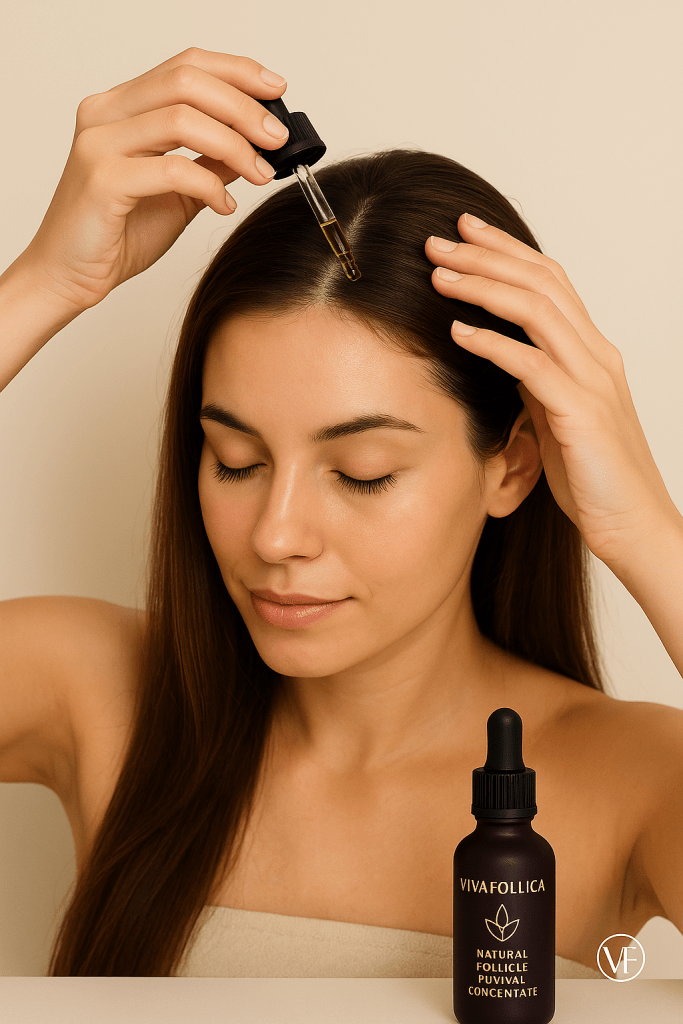
    Apply the mixture to the scalp using gentle circular motions for 5–10 minutes. This massage action further stimulates blood flow and aids absorption.

    Leave on and rinse
    For maximum benefit, leave the oil on for at least 30 minutes before washing with a gentle shampoo. Some people prefer an overnight treatment (using a shower cap to protect bedding) for deeper conditioning.

    Consistency is key
    Repeat 2–3 times per week. Visible improvements—such as reduced shedding or new baby hairs—often appear after several months of regular use.

    8. DIY vs. Ready-to-Use Products

    While pure rosemary essential oil is readily available, many high-quality hair serums and scalp treatments now feature rosemary oil as a star ingredient, often blended with synergistic botanicals like peppermint oil, niacinamide, or caffeine. These formulations can simplify the process, ensuring proper dilution and providing added benefits.

    For example, brands like Vivafollica combine rosemary oil with scientifically proven growth factors such as Redensyl and Capixyl for an advanced scalp-care experience that merges traditional herbal wisdom with cutting-edge innovation.

    9. Safety Tips and Considerations

    • Always conduct a patch test on the inner arm before full application to rule out sensitivity.
    • Avoid direct contact with eyes and mucous membranes.
    • If you’re pregnant, nursing, or have a medical condition such as epilepsy, consult your doctor before use.
    • Keep essential oils out of reach of children and pets.

    Scalp oiling with rosemary oil is far more than an old herbal remedy—it’s a science-backed approach to holistic hair health. From stimulating hair growth and strengthening follicles to balancing oil production and soothing scalp irritation, rosemary oil addresses multiple root causes of hair loss and poor scalp health at once.

    Whether you choose to DIY your oil blend or opt for an expertly formulated scalp serum, adding rosemary oil to your self-care routine can transform your hair from the roots up. In a world crowded with chemical treatments and quick fixes, rosemary oil stands out as a time-honored, natural solution that nourishes, protects, and revitalizes—bringing you closer to stronger, healthier, and more radiant hair.

  • Scalp Oiling 101: The Ancient Ritual Making a Modern Comeback

    Healthy, beautiful hair begins at the root—and that means caring for the scalp itself.
    One timeless practice that’s regaining popularity is scalp oiling.
    Used for centuries in cultures from India to the Mediterranean, scalp oiling nourishes the skin of the scalp, strengthens follicles, and creates an ideal environment for growth and shine.

    Whether you’re curious about natural hair care, struggling with dryness, or looking to boost thickness, this guide covers everything you need to know: the benefitshow to do it correctlywho it’s best for, and expert tips for making it part of your routine.

    Why the Scalp Needs Extra Care

    Your scalp is living skin—complete with sebaceous (oil) glands, blood vessels, and a delicate barrier that keeps hair follicles healthy.
    Daily washing, heat styling, pollution, and stress can dry or inflame that skin, leading to flakiness, itching, or hair that grows in weaker and thinner.

    Scalp oiling acts like a nourishing facial for your head, delivering moisture, antioxidants, and fatty acids directly to where your hair grows.

    Top Benefits of Scalp Oiling

    1. Deep Hydration & Barrier Repair
      Natural plant oils replenish lost lipids and help repair the scalp’s protective layer.
      This relieves dryness, flaking, and irritation, and improves the scalp’s ability to hold moisture.
    2. Improved Circulation for Growth
      Massaging oil into the scalp increases blood flow.
      Better circulation means more oxygen and nutrients reach hair follicles—encouraging stronger, longer growth.
    3. Reduced Breakage & Split Ends
      By moisturizing both the scalp and the first inch of hair, oiling keeps strands more elastic and resistant to breakage.
    4. Balanced Sebum Production
      Counterintuitively, applying oil can signal the scalp to produce less of its own sebum over time, helping calm an oily or flaky scalp.
    5. Stress Relief & Self-Care
      The gentle massage of scalp oiling relaxes tense muscles and provides a spa-like, mindful moment at home.

    Choosing the Right Oil

    Different oils bring unique nutrients.
    Some can be used alone; many people blend them.

    OilBest ForKey Nutrients
    Coconut oilDry or brittle hairLauric acid, deep penetration
    Jojoba oilOily or flaky scalpClosest to natural sebum
    Argan oilFrizz & shineVitamin E, antioxidants
    Rosemary-infused oilGrowth & circulationRosmarinic acid, stimulates follicles
    Almond oilSensitive scalpVitamin B & E, lightweight moisture
    Vivafollica serum blend (with Redensyl, Capixyl, Fo-Ti, Niacinamide)Overall follicle supportBotanical actives + vitamins for long-term growth

    Tip: Look for cold-pressed, unrefined oils to ensure the highest nutrient content.

    How to Oil Your Scalp Correctly

    Proper technique turns scalp oiling into an effective treatment rather than a messy chore.

    Step 1: Start with dry or slightly damp hair
    Oil spreads better when hair is not soaking wet.
    Detangle gently to avoid knots.

    Step 2: Section the hair
    Use clips or the end of a comb to part hair into small sections for even application.

    Step 3: Warm a small amount of oil
    Warming between your palms (or slightly in a bowl) helps the oil glide and improves absorption.

    Step 4: Massage into the scalp
    Using your fingertips (not nails), massage in small circles for 5–10 minutes.
    This stimulates blood flow and helps nutrients penetrate.

    Step 5: Leave it on

    • Minimum: 30 minutes
    • Ideal: 1–2 hours
    • Overnight: great for very dry hair (protect pillow with a towel)

    Step 6: Wash out gently
    Use a mild, sulfate-free shampoo.
    Two quick shampoos may be needed if using heavier oils.

    Step 7: Frequency

    • Dry scalp: 1–2 times per week
    • Normal scalp: once per week
    • Oily scalp: every other week

    Who Can Benefit Most

    Scalp oiling is versatile, but it shines for certain needs:

    • Dry, flaky, or itchy scalp
      The extra lipids soothe and rebalance.
    • Brittle or thinning hair
      Follicle nourishment and stronger roots reduce breakage and shedding.
    • Color-treated or heat-styled hair
      Oils help protect against moisture loss and heat damage.
    • People in dry climates or winter months
      Indoor heating and low humidity can strip natural oils.

    It can also be a relaxing ritual for anyone seeking a spa-like self-care practice.

    Tips for Best Results

    • Don’t overuse: A few teaspoons of oil are enough; excess won’t absorb better.
    • Focus on the scalp, not just the ends: Follicle health begins at the root.
    • Combine with balanced cleansing: Over-oiling without gentle washing can lead to buildup.
    • Choose the right time: Evening or a lazy weekend morning works well since you need time to let the oil sit.
    • Pair with powerful actives: Using a serum that combines nourishing oils with proven ingredients like Redensyl or Niacinamide can deliver both immediate moisture and long-term follicle support.

    Scalp Oiling vs. Hair Masking

    While a hair mask coats the hair shaft, scalp oiling targets the skin of the scalp and the follicles inside it.
    For maximum results, you can combine the two: oil the scalp and apply a hydrating mask to the mid-lengths and ends.

    Modern Scalp Oiling: Nature + Science

    Today’s best scalp treatments merge traditional plant oils with cutting-edge ingredients.
    For example, Vivafollica’s Natural Follicle Revival Concentrate blends nourishing botanicals with Redensyl, Capixyl, Niacinamide, and Fo-Ti Root—all scientifically shown to encourage growth and protect pigment.

    This marriage of ancient wisdom and modern science means you don’t have to choose between natural rituals and proven results.

    Key Takeaways

    • Scalp oiling is skincare for your scalp—hydrating, strengthening, and stimulating growth.
    • Choose the right oil or oil-serum blend for your hair type.
    • Massage gently and consistently for the best results.
    • Works especially well for dry, brittle, or heat-styled hair, and in cold or dry climates.
    • Combining traditional oils with modern actives like those in Vivafollica gives both immediate and long-term benefits.

    Scalp oiling is a simple, time-honored ritual that nourishes the root of healthy hair.
    Whether you use pure botanical oils or a modern serum rich in Redensyl, Capixyl, Fo-Ti Root, and Niacinamide, the key is consistency.
    Your scalp is skin—treat it with the same care and it will reward you with stronger, thicker, more vibrant hair.