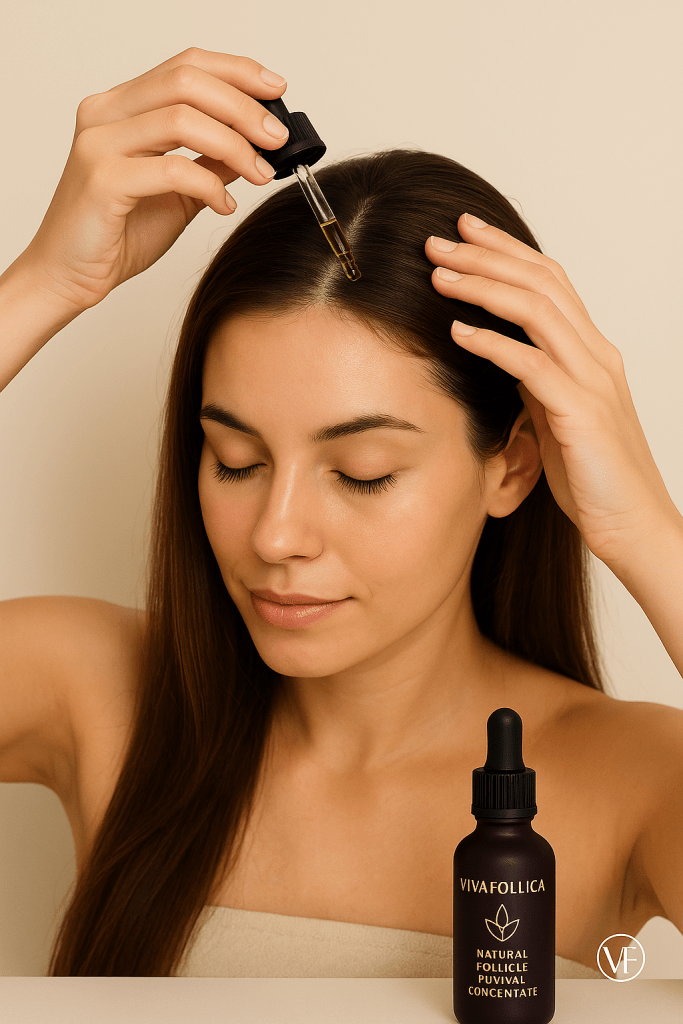
Healthy, beautiful hair begins at the root—and that means caring for the scalp itself.
One timeless practice that’s regaining popularity is scalp oiling.
Used for centuries in cultures from India to the Mediterranean, scalp oiling nourishes the skin of the scalp, strengthens follicles, and creates an ideal environment for growth and shine.
Whether you’re curious about natural hair care, struggling with dryness, or looking to boost thickness, this guide covers everything you need to know: the benefits, how to do it correctly, who it’s best for, and expert tips for making it part of your routine.
Why the Scalp Needs Extra Care
Your scalp is living skin—complete with sebaceous (oil) glands, blood vessels, and a delicate barrier that keeps hair follicles healthy.
Daily washing, heat styling, pollution, and stress can dry or inflame that skin, leading to flakiness, itching, or hair that grows in weaker and thinner.
Scalp oiling acts like a nourishing facial for your head, delivering moisture, antioxidants, and fatty acids directly to where your hair grows.
Top Benefits of Scalp Oiling
- Deep Hydration & Barrier Repair
Natural plant oils replenish lost lipids and help repair the scalp’s protective layer.
This relieves dryness, flaking, and irritation, and improves the scalp’s ability to hold moisture. - Improved Circulation for Growth
Massaging oil into the scalp increases blood flow.
Better circulation means more oxygen and nutrients reach hair follicles—encouraging stronger, longer growth. - Reduced Breakage & Split Ends
By moisturizing both the scalp and the first inch of hair, oiling keeps strands more elastic and resistant to breakage. - Balanced Sebum Production
Counterintuitively, applying oil can signal the scalp to produce less of its own sebum over time, helping calm an oily or flaky scalp. - Stress Relief & Self-Care
The gentle massage of scalp oiling relaxes tense muscles and provides a spa-like, mindful moment at home.
Choosing the Right Oil
Different oils bring unique nutrients.
Some can be used alone; many people blend them.
| Oil | Best For | Key Nutrients |
|---|---|---|
| Coconut oil | Dry or brittle hair | Lauric acid, deep penetration |
| Jojoba oil | Oily or flaky scalp | Closest to natural sebum |
| Argan oil | Frizz & shine | Vitamin E, antioxidants |
| Rosemary-infused oil | Growth & circulation | Rosmarinic acid, stimulates follicles |
| Almond oil | Sensitive scalp | Vitamin B & E, lightweight moisture |
| Vivafollica serum blend (with Redensyl, Capixyl, Fo-Ti, Niacinamide) | Overall follicle support | Botanical actives + vitamins for long-term growth |
Tip: Look for cold-pressed, unrefined oils to ensure the highest nutrient content.
How to Oil Your Scalp Correctly
Proper technique turns scalp oiling into an effective treatment rather than a messy chore.
Step 1: Start with dry or slightly damp hair
Oil spreads better when hair is not soaking wet.
Detangle gently to avoid knots.
Step 2: Section the hair
Use clips or the end of a comb to part hair into small sections for even application.
Step 3: Warm a small amount of oil
Warming between your palms (or slightly in a bowl) helps the oil glide and improves absorption.
Step 4: Massage into the scalp
Using your fingertips (not nails), massage in small circles for 5–10 minutes.
This stimulates blood flow and helps nutrients penetrate.
Step 5: Leave it on
- Minimum: 30 minutes
- Ideal: 1–2 hours
- Overnight: great for very dry hair (protect pillow with a towel)
Step 6: Wash out gently
Use a mild, sulfate-free shampoo.
Two quick shampoos may be needed if using heavier oils.
Step 7: Frequency
- Dry scalp: 1–2 times per week
- Normal scalp: once per week
- Oily scalp: every other week
Who Can Benefit Most
Scalp oiling is versatile, but it shines for certain needs:
- Dry, flaky, or itchy scalp
The extra lipids soothe and rebalance. - Brittle or thinning hair
Follicle nourishment and stronger roots reduce breakage and shedding. - Color-treated or heat-styled hair
Oils help protect against moisture loss and heat damage. - People in dry climates or winter months
Indoor heating and low humidity can strip natural oils.
It can also be a relaxing ritual for anyone seeking a spa-like self-care practice.
Tips for Best Results
- Don’t overuse: A few teaspoons of oil are enough; excess won’t absorb better.
- Focus on the scalp, not just the ends: Follicle health begins at the root.
- Combine with balanced cleansing: Over-oiling without gentle washing can lead to buildup.
- Choose the right time: Evening or a lazy weekend morning works well since you need time to let the oil sit.
- Pair with powerful actives: Using a serum that combines nourishing oils with proven ingredients like Redensyl or Niacinamide can deliver both immediate moisture and long-term follicle support.
Scalp Oiling vs. Hair Masking
While a hair mask coats the hair shaft, scalp oiling targets the skin of the scalp and the follicles inside it.
For maximum results, you can combine the two: oil the scalp and apply a hydrating mask to the mid-lengths and ends.
Modern Scalp Oiling: Nature + Science
Today’s best scalp treatments merge traditional plant oils with cutting-edge ingredients.
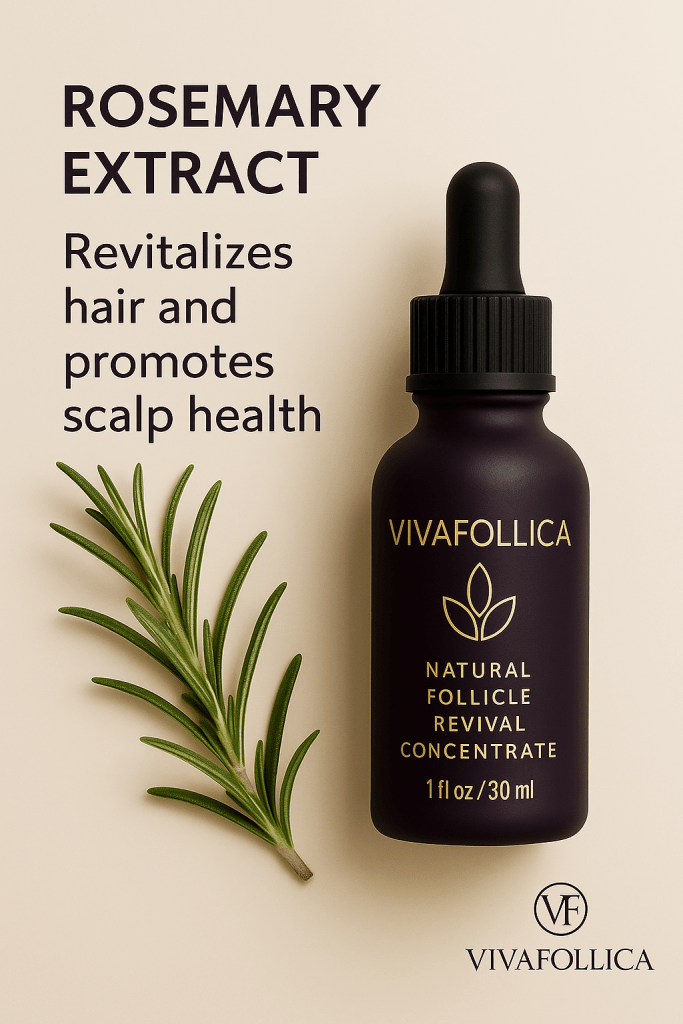
For example, Vivafollica’s Natural Follicle Revival Concentrate blends nourishing botanicals with Redensyl, Capixyl, Niacinamide, and Fo-Ti Root—all scientifically shown to encourage growth and protect pigment.
This marriage of ancient wisdom and modern science means you don’t have to choose between natural rituals and proven results.
Key Takeaways
- Scalp oiling is skincare for your scalp—hydrating, strengthening, and stimulating growth.
- Choose the right oil or oil-serum blend for your hair type.
- Massage gently and consistently for the best results.
- Works especially well for dry, brittle, or heat-styled hair, and in cold or dry climates.
- Combining traditional oils with modern actives like those in Vivafollica gives both immediate and long-term benefits.
Scalp oiling is a simple, time-honored ritual that nourishes the root of healthy hair.
Whether you use pure botanical oils or a modern serum rich in Redensyl, Capixyl, Fo-Ti Root, and Niacinamide, the key is consistency.
Your scalp is skin—treat it with the same care and it will reward you with stronger, thicker, more vibrant hair.
 VivaFollica
Leave a comment