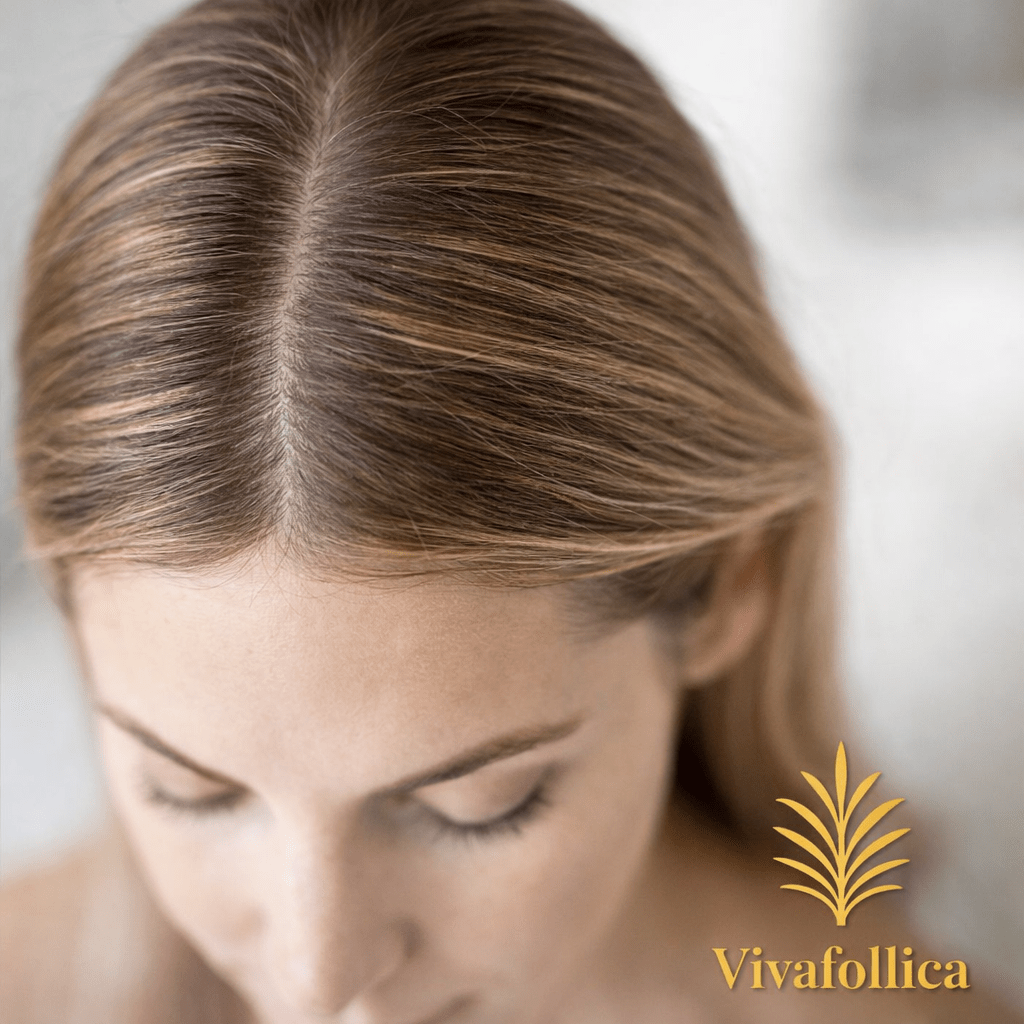
When it comes to hair health, most people focus on what they can see: shine, length, thickness, and styling. But the true foundation of healthy hair lies beneath it all — the scalp. Just as plants rely on nutrient-rich soil to grow, hair follicles depend on a balanced, well-cared-for scalp environment. Scalp care is not a trend; it is an essential part of hair wellness, and the good news is that you can build an effective scalp-care routine right at home.
Why Scalp Care Matters
Your scalp is living skin. It contains hair follicles, oil glands, blood vessels, and nerve endings that all work together to support hair growth. When the scalp is clogged, inflamed, overly dry, or excessively oily, follicles can become stressed. This may contribute to issues such as thinning, shedding, slow growth, itchiness, or flaking.
Healthy hair doesn’t start in the shower or with styling tools — it starts with scalp health. By maintaining proper circulation, hydration, and cleanliness, you create the ideal conditions for stronger, fuller-looking hair over time.
Common Scalp Issues at Home
Many scalp concerns develop gradually and are often overlooked. Common issues include:
- Product buildup from styling creams, dry shampoo, and oils
- Dryness or flaking caused by overwashing or harsh cleansers
- Excess oil production, often a response to stripping shampoos
- Poor circulation, which can limit nutrient delivery to follicles
- Sensitivity or inflammation due to environmental stressors or irritation
Understanding your scalp type — dry, oily, balanced, or sensitive — is the first step toward caring for it properly.
Step 1: Cleanse Gently and Intentionally
Cleansing the scalp is essential, but more is not always better. Overwashing or using aggressive shampoos can disrupt the scalp’s natural barrier, leading to irritation and rebound oil production.
Choose a gentle, sulfate-free shampoo that cleans without stripping. Focus application on the scalp rather than the lengths of the hair, and use your fingertips (not nails) to massage lightly. This removes buildup while stimulating circulation.
For many people, washing two to four times per week is sufficient. The goal is balance — a clean scalp that still retains its natural moisture.
Step 2: Exfoliate to Remove Buildup
Just like facial skin, the scalp benefits from regular exfoliation. Dead skin cells, excess oil, and product residue can block follicles and interfere with healthy growth.
Scalp exfoliation can be done once a week using a gentle chemical exfoliant (such as salicylic acid or fruit enzymes) or a mild physical scrub designed specifically for the scalp. Avoid harsh scrubs or DIY mixtures that may cause micro-tears.
Exfoliating helps reset the scalp, improves absorption of treatments, and leaves the scalp feeling refreshed and breathable.
Step 3: Massage for Circulation
Scalp massage is one of the simplest yet most powerful tools for scalp care at home. Massaging increases blood flow to the follicles, delivering oxygen and nutrients that support healthy hair growth.
You can massage your scalp with clean fingertips, a silicone scalp brush, or even during shampooing. Just five minutes a day can make a difference. Massage also helps relieve tension, reduce stress, and promote relaxation — all of which indirectly benefit hair health.
Step 4: Hydrate and Nourish the Scalp
A healthy scalp needs moisture, just like the rest of your skin. Lightweight scalp serums or treatments can help hydrate without clogging pores or weighing hair down.
Look for ingredients that support scalp health, such as:
- Niacinamide for barrier support
- Botanical extracts for soothing
- Peptides or plant-based actives that support follicles
- Antioxidants to protect against environmental stress
Apply treatments directly to the scalp and massage gently. Consistency matters more than quantity.
Step 5: Protect the Scalp Daily
Scalp care doesn’t end after washing. Daily habits play a major role in scalp health.
- Avoid excessive heat from blow dryers and hot tools
- Protect your scalp from sun exposure with hats or UV sprays
- Limit tight hairstyles that pull on follicles
- Wash brushes and tools regularly to prevent bacteria buildup
Your scalp is exposed to the same environmental stressors as your face — pollution, UV rays, and temperature changes — so protection is key.
Step 6: Support Scalp Health from Within
External care works best when paired with internal support. Hydration, nutrition, sleep, and stress management all influence scalp and hair health.
Drink enough water, prioritize protein and micronutrients, and manage stress levels whenever possible. Chronic stress can disrupt hair growth cycles and affect scalp balance.
Consistency Is the Secret
Scalp care is not a one-time fix — it’s a long-term commitment. Results don’t happen overnight, but with consistent care, many people notice improvements in scalp comfort, hair texture, and overall hair vitality within weeks to months.
Think of scalp care as skincare for your hair. When you nurture the foundation, everything that grows from it benefits.
Healthy hair doesn’t begin with styling products or treatments for the ends — it begins at the root. By caring for your scalp at home through gentle cleansing, exfoliation, massage, hydration, and protection, you empower your hair to thrive naturally.
When you shift your focus to scalp health, you’re not just caring for your hair — you’re investing in long-term hair wellness.
 VivaFollica
Leave a comment