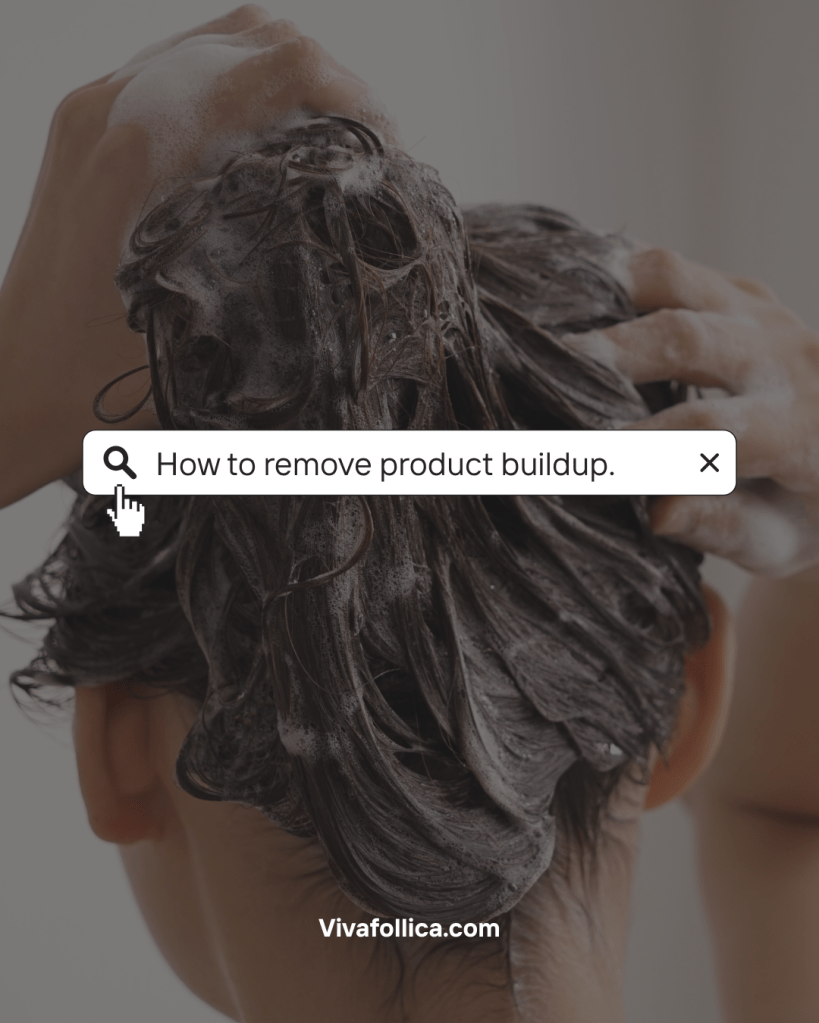
We focus so much on skincare for our face — but how often do we think about the skin on our scalp? Over time, products like dry shampoo, oils, conditioners, and even natural sebum can build up on the scalp, clogging hair follicles and making it harder for your hair to grow healthy and strong.
Just like our pores need cleansing, our scalp needs regular detoxing too. If you’ve ever noticed dull roots, flakes, or an itchy, heavy feeling at the crown, you’re likely experiencing scalp buildup — and the good news is, it’s completely treatable.
Here’s how to recognize scalp buildup, why it happens, and how to safely remove it for a balanced, refreshed, and healthy scalp.
What Is Scalp Buildup?
Scalp buildup is a mix of dead skin cells, oil (sebum), sweat, and leftover product residue that accumulates on your scalp over time.
Every time you apply shampoo, conditioner, leave-in treatments, hairspray, or dry shampoo, a little residue can remain — especially if you don’t wash frequently. Add to that natural oil and pollution, and your scalp becomes coated in a layer that blocks follicles and limits oxygen flow.
Over time, this buildup can cause:
- Clogged follicles (leading to hair thinning or slower growth)
- Flakes and itching (similar to dandruff but not always the same)
- Oily roots and dry ends
- Lack of volume or dull appearance
- Poor serum absorption — meaning your growth treatments can’t fully penetrate the scalp
Common Causes of Scalp Buildup
- Overusing styling products
Gels, creams, sprays, and serums can all leave behind residue. Silicone-based products are especially known for coating the scalp. - Not washing often enough
If you wash every 3–5 days (or longer), oils and product layers can combine to form a film over your scalp. - Hard water
Minerals in hard water bind with shampoo residue, making it difficult to rinse cleanly. - Improper shampooing technique
Applying shampoo only to hair strands — instead of focusing on the scalp — can leave the skin underneath unclean. - Heavy oils or butters
While nourishing, natural oils like coconut or castor oil can be hard to wash out fully and may clog pores if overused.
How to Tell if You Have Scalp Buildup
You might have buildup if you notice:
- A waxy or sticky feeling near the roots
- Flakes or dryness even after washing
- Itchiness or irritation
- Hair that feels flat or lifeless
- A white residue when you scratch your scalp gently with your nail
If that sounds familiar, your scalp likely needs a reset.
How to Remove Scalp Buildup — Safely and Effectively
The goal isn’t to strip your scalp completely — it’s to deep clean while maintaining balance. Here’s how to do it properly:
1️⃣ Start with a Clarifying Shampoo
A clarifying shampoo is specially formulated to dissolve residue from oils, silicones, and styling products.
Look for:
- Sulfate-free or gentle surfactants
- Ingredients like salicylic acid, apple cider vinegar, or activated charcoal
🪶 How to use:
- Apply to wet hair and massage directly into your scalp for 1–2 minutes.
- Rinse thoroughly and follow with a lightweight conditioner, focusing only on the ends.
- Use once every 1–2 weeks — not daily, as overuse can dry the scalp.
💜 Pro tip: If you use growth serums like Vivafollica’s Follicle Revival Serum, always clarify your scalp first so your treatment can absorb better.
2️⃣ Exfoliate with a Scalp Scrub
Just like facial exfoliation, your scalp benefits from gentle physical or chemical exfoliation.
Options include:
- Sugar or salt scrubs with botanical oils (like jojoba or tea tree)
- Chemical exfoliants with glycolic acid or lactic acid, which dissolve dead skin
🪶 How to use:
- Apply scrub to a damp scalp before shampooing.
- Massage gently in circular motions — don’t scratch with your nails.
- Rinse thoroughly and follow with shampoo and conditioner.
This helps lift buildup, boost circulation, and leave your scalp feeling refreshed.
3️⃣ Try a Scalp Detox Treatment
Scalp detoxes are lightweight liquids or masks that help rebalance pH and break down oil.
DIY options:
- Apple cider vinegar rinse: Mix 1 part ACV with 3 parts water and pour over your scalp after shampooing. Leave for 2–3 minutes, then rinse.
- Aloe vera gel: Calms irritation and moisturizes while cleansing residue.
Professional options:
- Scalp detox sprays or serums with witch hazel, tea tree, or salicylic acid.
4️⃣ Massage the Scalp Regularly
Massage encourages lymphatic drainage and circulation, which helps move waste products away from follicles.
🪶 How to do it:
- Use fingertips or a silicone scalp brush.
- Massage in small circular motions for 2–3 minutes daily.
- Can be done before bed, especially when applying a serum like Vivafollica.
A healthy scalp = stronger roots and faster growth.
5️⃣ Avoid Heavy Product Layering
Once your scalp is clean, keep it that way by simplifying your routine.
Try this clean, effective order:
- Clarify or exfoliate (1x weekly)
- Hydrate with a gentle, balanced shampoo and conditioner
- Apply serum or treatment directly to scalp (daily or nightly)
- Use styling products lightly, focusing on ends instead of roots
Look for non-comedogenic, lightweight formulas that won’t clog follicles or weigh hair down — especially if you don’t wash every day.
The Vivafollica Approach: Clean Scalp, Healthy Hair
At Vivafollica, we believe scalp health is skin health.
Our hair growth philosophy combines clean beauty + clinical science, ensuring ingredients like Redensyl, Capixyl, Fo-Ti Root, Niacinamide, and caffeine can do their best work — free from buildup and blockage.
That’s why we recommend pairing your serum routine with a gentle detox ritual once a week to keep your follicles clear and receptive.
When your scalp can breathe, your hair can thrive. 🌿
Removing scalp buildup isn’t about harsh stripping — it’s about restoring balance. By cleansing gently, exfoliating regularly, and nourishing afterward, you’ll help your follicles perform their best and support thicker, shinier, more resilient hair.
Remember: a clean scalp is the foundation of beautiful hair.
Start small, stay consistent, and your scalp (and strands) will thank you. 💜
 VivaFollica
Leave a comment